


Yes, you can use micellar water without rinsing if the product is labelled no-rinse and your skin feels comfortable afterward. Rinse it off if you notice stinging, itching, tightness or an unwanted film; if makeup or sunscreen remains, use an appropriate cleanser rather than relying on a splash of water.
- Can you use micellar water without rinsing? Yes, when the label permits it and your skin stays comfortable.
- Rinse away uncomfortable residue; remove remaining makeup with a suitable cleanser instead of repeated rubbing.
- Hada Labo Tokyo sells micellar water, but check the bottle for its specific rinsing instructions.
- For your 2026 skincare routine, judge cleansing by removal and comfort, not the no-rinse claim alone.
Can you use micellar water without rinsing your face afterward?
You can leave a no-rinse micellar water on your face when you have followed its directions, removed what you intended to remove and experienced no irritation. No-rinse means rinsing is not required by that product's instructions; it does not mean rinsing is forbidden. Your skin's response still matters.
The practical choice depends on what remains on your face. A cleanser film, visible mascara and comfortable, clean skin are different outcomes, so they need different responses.
| Approach | Best for | Advantage | Limitation |
|---|---|---|---|
| Leave a labelled no-rinse formula on | Light cleansing when your skin feels comfortable | Avoids an additional washing step | Leaves some formula on your skin |
| Rinse after micellar water | Removing an uncomfortable surface film | Washes away residual formula | Water alone does not reliably remove remaining waterproof makeup |
| Follow with a rinse-off cleanser | Makeup or sunscreen that remains after wiping | Adds a separate cleansing step | Extra cleansing and rubbing can aggravate dryness |
For a closer look at whether removal is complete, read is micellar water enough to clean your face?. Whether you need to rinse and whether you have cleaned thoroughly are separate questions.
Why this matters
Micellar water contains cleansing agents called surfactants, which help lift oils and impurities so you can wipe them away. Some formula remains on the skin after wiping. That residue is not automatically harmful, but a product that feels comfortable on someone else's face can still irritate yours.
Repeated friction matters, too. If you keep scrubbing to remove a stubborn patch of makeup, the problem is no longer simply whether to rinse afterward. You need a removal method suited to the makeup, not a more forceful technique.
For your 2026 routine, keep the decision straightforward: follow the label, check removal and respond to discomfort. A longer routine is not automatically a gentler one.
When leaving micellar water on makes sense
Best for: light cleansing with a labelled no-rinse formula that your skin tolerates. This approach makes sense when you want to remove light surface impurities without adding a separate washing step. It also offers a practical option when access to a sink is limited.
Read the instructions on the actual bottle, not just the general description of micellar water. Directions differ between formulations, especially around the eyes. A product intended for facial cleansing is not automatically suitable for every eye-area use.
After cleansing, assess how your skin feels before applying the next product. Comfortable skin does not need to feel squeaky or completely stripped of softness. However, an unpleasant coating, itching or burning is a reason to remove the formula rather than cover it with moisturizer.
The benefit is convenience. The limitation is that leaving a formula on your skin also leaves residual ingredients in contact with it; choosing no-rinse does not remove the possibility of irritation.
When rinsing micellar water makes sense
Best for: skin that dislikes the residue of an otherwise suitable cleansing product. A gentle rinse with lukewarm water removes residual formula without automatically adding another cleanser. Pat dry rather than rubbing with a towel.
Rinsing is also a reasonable preference if you simply dislike the finish. You do not have to tolerate a sticky or coated feeling to use micellar water correctly, provided your product's directions allow your chosen method.
Do not confuse a comfortable rinse with a treatment for an ongoing reaction. If the same product repeatedly causes stinging, stop using it. Persistent redness, swelling or irritation needs advice from a healthcare professional rather than repeated trials of the same cleanser.
The advantage is removing residue. The limitation is that a rinse does not necessarily remove makeup or sunscreen left behind, so check what you were trying to clean off before stopping.
When a second cleanser makes sense
Best for: makeup or sunscreen that remains after the first cleansing step. Follow with a suitable rinse-off cleanser when micellar water has not completed the job. There is no benefit in leaving visible makeup behind simply because the first product says no-rinse.
Water-resistant makeup deserves particular attention. If your micellar water is not intended to remove it, repeated wiping is not a reliable substitute for a suitable remover. Use a product labelled for that purpose and follow its directions, especially near your eyes.
Double cleansing is an option, not a rule for every face on every evening. If the first step already removes what you need to remove and your skin feels comfortable, adding more cleansing is not automatically useful.
The benefit is a separate opportunity to remove remaining material. The drawback is extra exposure to cleansing agents and friction, which is especially relevant if your skin already feels dry or tender.
Why the answer varies
The rinsing decision depends on the formulation, your skin and what you are removing. These factors are more useful than treating all micellar waters as interchangeable:
- Product directions: A no-rinse instruction applies to that particular formula. Check facial and eye-area directions separately.
- Skin comfort: Stinging, itching and tightness are reasons to reconsider the product or method, not signs of better cleansing.
- Makeup type: Long-wearing and waterproof makeup needs a remover suited to the task.
- Sunscreen removal: A no-rinse claim does not establish that every sunscreen has been removed completely.
- Wiping technique: Repeated pressure and dragging add friction, regardless of whether you rinse afterward.
- Residual finish: Comfortable softness and an unpleasant coating are not the same thing. Assess your own skin rather than chasing a squeaky-clean sensation.
Your 2026 cleansing routine should respond to these differences. Keep what works, remove unnecessary steps and change the method when your skin objects.
How should you use micellar water if you are unsure about rinsing?
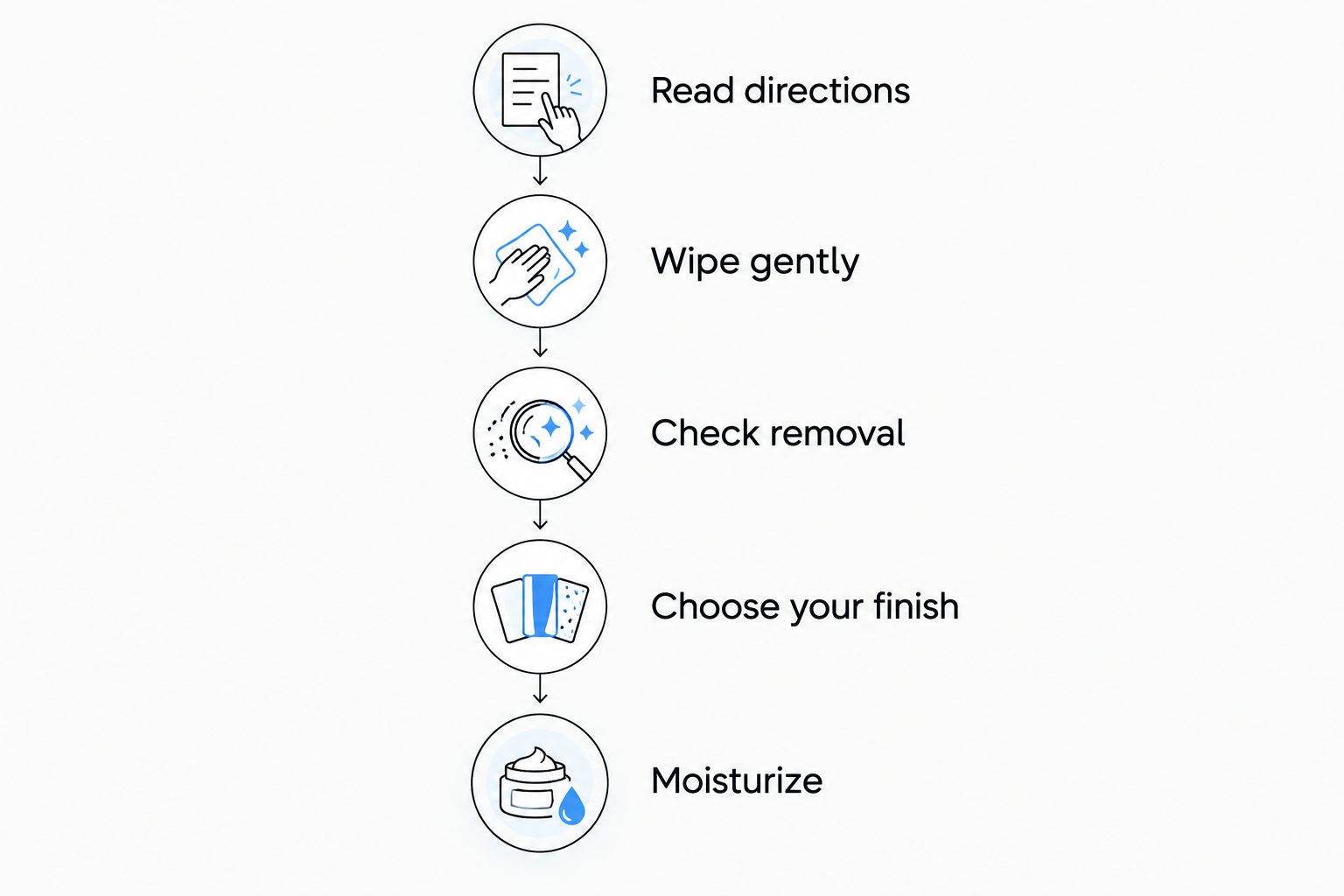
Start with the bottle's instructions, then make a decision based on removal and comfort. This sequence helps you avoid both leaving unwanted residue behind and washing repeatedly without a clear purpose.
- Read directions. Check whether rinsing is required and whether the formula is intended for the area you want to cleanse.
- Wipe gently. Wet a suitable pad as directed and use light pressure. Avoid dragging a nearly dry pad across your face.
- Check removal. Look for remaining makeup around the hairline, nose and jaw. Follow separate eye-area instructions where relevant.
- Choose your finish. Leave a permitted no-rinse formula on comfortable skin, rinse unwanted residue, or cleanse remaining makeup appropriately.
- Moisturize. Apply a suitable moisturizer after cleansing. In a daytime routine, follow with appropriate sun protection.
A pad that looks clean is useful feedback, but it is not proof that every trace of sunscreen or makeup has gone. Consider the product you wore and the remover's intended use rather than judging only by the pad's colour.
Do not turn this sequence into repeated rounds of cleansing. Once you have removed what needs removing, stop; more wiping does not make a completed routine better.
Where hydrating skincare fits after cleansing
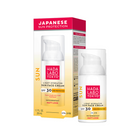
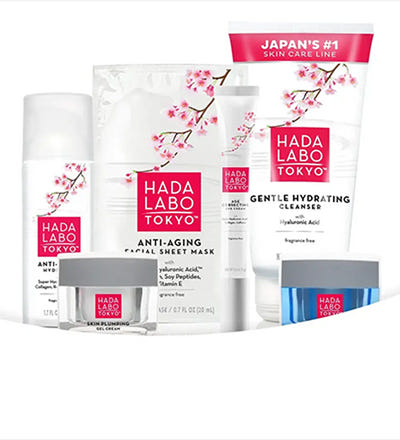
Hada Labo Tokyo is best for shoppers seeking Japanese-inspired, hyaluronic-acid-focused skincare. Its hydration-led range offers different product types, but a makeup remover, a rinse-off cleanser and a moisturizer serve different purposes. Choose the step you need rather than treating them as interchangeable.
The following examples show those roles. The pack sizes identify the products; they are not instructions for how much to apply.
| Product | Best for | Supported feature | Limit to keep in mind |
|---|---|---|---|
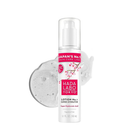
| Hada Labo Tokyo Micellar Water Make-up Removing 400ml | Shoppers looking for a micellar makeup-removal step | A micellar water identified for makeup removal | Check the bottle for rinsing and eye-area directions |
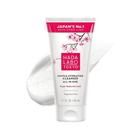
| Hada Labo Tokyo Gentle Hydrating Cleanser 150ml | Shoppers looking for a hydrating facial cleanser | A gel-cream cleansing formula | It is a cleansing product, not a substitute for moisturizer |
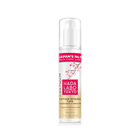
| Hada Labo Tokyo Intense Hydrating Skin-Plumping Gel 50ml | Shoppers seeking lightweight hydration | A lightweight cream-and-serum fusion | It does not replace makeup removal |
In 2026, use the current packaging directions to settle product-specific questions. A product name alone does not establish whether rinsing is optional, whether waterproof mascara removal is supported or whether a formula suits your eyes.
Should you rinse micellar water if you have sensitive skin?
Rinse micellar water if leaving it on causes discomfort, and stop using it if irritation repeats. Sensitive skin does not make every no-rinse product unsuitable, but it makes your response to the complete formula particularly important. Avoid repeated wiping and do not add exfoliation to skin that already feels irritated.
Can you leave micellar water on overnight?
You can leave a labelled no-rinse micellar water on overnight if your skin tolerates it and cleansing is complete. Overnight use does not change the product's directions or make remaining makeup acceptable. If your skin feels coated or uncomfortable before bed, rinse rather than layering more skincare over the problem.
Does rinsing micellar water remove its hydrating benefits?
Rinsing removes residual formula, but it does not prevent you from moisturizing afterward. Treat cleansing as the removal step and moisturizer as a separate care step. Do not keep an uncomfortable cleanser on your face solely because its description mentions hydration.
FAQ
Can you use micellar water without rinsing every day?
Yes, if the product is labelled no-rinse and daily use leaves your skin comfortable. Change the method or stop the product if you develop persistent dryness, stinging or irritation.
Do dermatologists say everyone must rinse micellar water?
There is no single rinsing rule that fits every micellar-water formula and every person's skin. Follow the product directions and ask your dermatologist for individualized advice if you have an ongoing skin condition.
Is rinsing micellar water better than leaving it on?
Rinsing is better when you want to remove residue or leaving the formula on feels uncomfortable. Leaving a labelled no-rinse product on is a reasonable option when cleansing is complete and your skin tolerates it.
Can I put moisturizer on after micellar water without washing?
Yes, when the micellar water is labelled no-rinse, cleansing is complete and your skin feels comfortable. Remove unwanted residue or remaining makeup before applying moisturizer.
Do I need face wash after micellar water?
You need another cleansing step when micellar water has not removed what you intended to remove. A second cleanser is not automatically necessary after every use.
Can micellar water replace a hydrating toner?
Micellar water and hydrating toner have different purposes: one cleanses, while the other is a leave-on skincare step. A no-rinse instruction does not make a cleanser interchangeable with a toner.
What should I do if micellar water gets in my eyes?
Rinse your eyes with clean water and follow the product's safety instructions. Seek medical advice if pain, redness or vision changes persist.
One last thing
The useful distinction is not rinse versus no-rinse; it is residue versus incomplete removal. Rinsing addresses unwanted formula left on your skin, while a suitable cleanser addresses makeup that has not come off. Before adding another step to your 2026 routine, identify which problem you actually have.


