


Yes, you can wear SPF moisturizer under makeup: apply it as your final skincare step, let the layer settle, then apply foundation without mixing the products together. Your protection depends on the sunscreen’s label, the amount you apply, and reapplication—not on whether your makeup also contains SPF.
- Can you wear SPF moisturizer under makeup? Yes—apply sun protection before foundation and keep the layers separate.
- Hada Labo Tokyo offers hydration-focused SPF skincare; makeup compatibility still depends on your foundation and application.
- Choose broad-spectrum SPF 30 or higher, follow application directions, and reapply during outdoor exposure.
- Keep the sunscreen amount intact; simplify other skincare layers if your makeup pills.
Can you wear SPF moisturizer under makeup?
SPF moisturizer belongs underneath makeup, not mixed into it. Apply enough to meet the product’s directions and cover exposed skin evenly. Once the sunscreen layer has settled, apply your makeup with a light touch rather than repeatedly rubbing the same area.
The American Academy of Dermatology recommends broad-spectrum, water-resistant sunscreen with SPF 30 or higher. Its public guidance also recommends application 15 minutes before going outdoors and reapplication approximately every 2 hours outdoors, plus after swimming or sweating according to the label. These recommendations concern sun protection, not a fixed waiting time between sunscreen and foundation.
For your 2026 routine, the practical distinction is simple: makeup goes over sunscreen, but makeup does not maintain sunscreen protection throughout the day. The guide to whether SPF moisturizer provides enough protection on its own explains the separate question of relying on a combined moisturizing and sun-protection product.
| Routine | Best for | Advantage | Limitation |
|---|---|---|---|
| SPF moisturizer, then makeup | A shorter morning routine | Combines moisturizing and sun protection in one skincare step | You still need the full sunscreen application, not a small moisturizer dab |
| Moisturizer, then sunscreen, then makeup | Skin that needs additional moisture | Lets you adjust hydration separately from sun protection | Extra layers create more opportunities for pilling |
| Makeup with SPF alone | Supplementing an existing sunscreen routine | Adds an SPF-labelled cosmetic step | A light makeup application is not a reliable substitute for sunscreen |
Why this matters
A smooth foundation finish and an adequate sunscreen application are different goals. Foundation can look even while the sunscreen underneath is uneven or applied too sparingly. Treat sun protection as a complete step before you assess the makeup finish.
The useful goal for 2026 is not the longest skincare routine. It is an even sunscreen layer beneath makeup that you can maintain when you spend time outdoors. Hydrating ingredients can support comfort, but they do not replace the sunscreen’s application directions.
How do you apply SPF moisturizer before makeup?
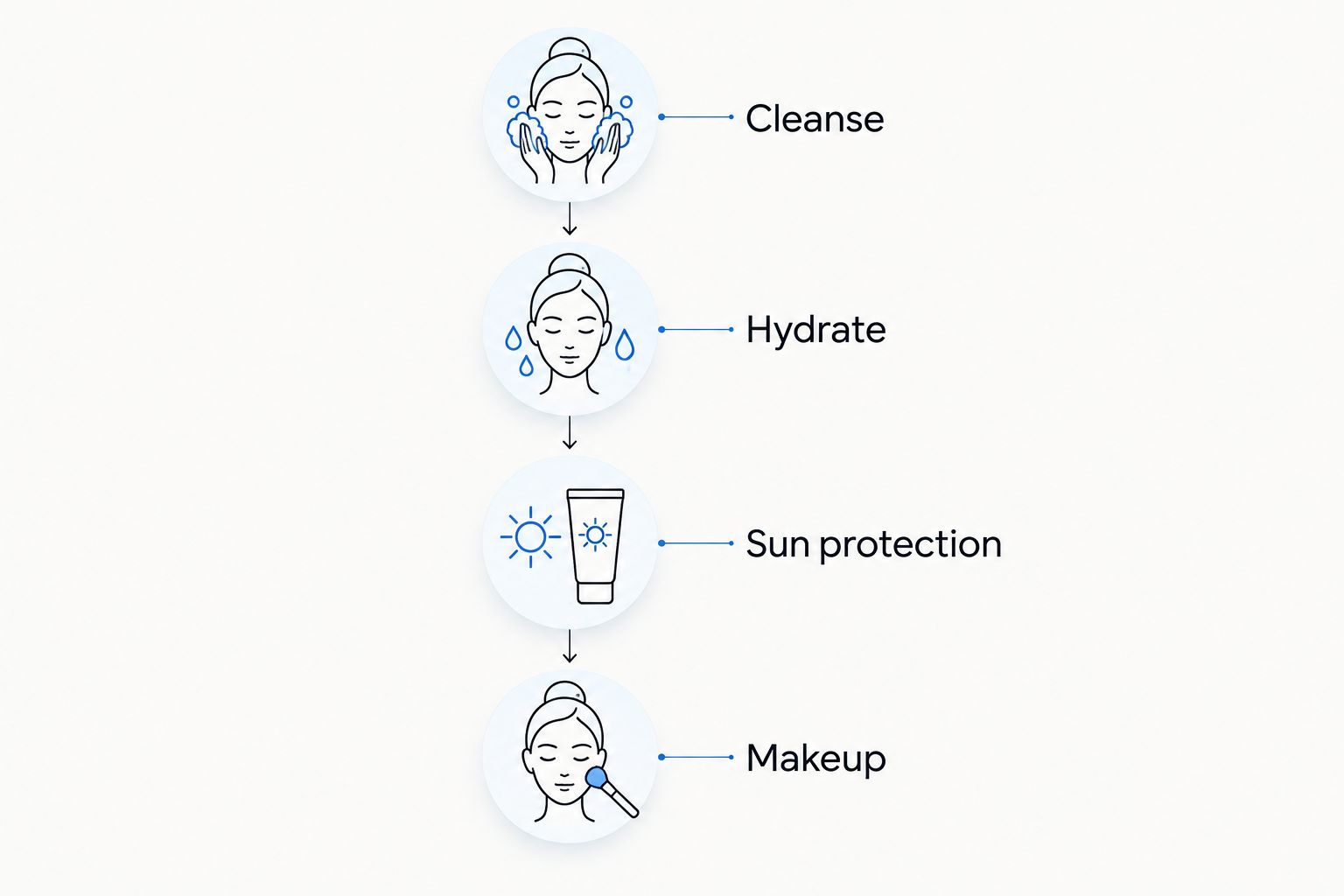
Follow this order rather than choosing products solely because they promise a makeup-friendly finish. Keep optional steps optional, and judge compatibility using the amount of sunscreen you actually need to wear.
- Cleanse. Start with clean skin and gently pat it dry. Avoid leaving cleanser residue around the hairline, nose, or jaw, where another layer can gather.
- Hydrate. Apply a hydrating serum or separate moisturizer only if your skin needs it. Let that layer settle before moving on; a crowded routine is not automatically a more comfortable one.
- Sun protection. Apply your SPF moisturizer evenly, following the label’s amount and directions. Cover exposed areas such as the face, ears, and neck as appropriate, and avoid the eyes unless the product directions permit that application.
- Makeup. Once the sunscreen layer has settled, apply foundation gently. Press or lightly blend rather than dragging repeatedly across skin, especially around the nose and along the jaw.
The sequence matters more than adding a primer. Do not solve makeup pilling by cutting your sunscreen application. Start by removing an optional layer or changing how you blend foundation.
Check the finish before foundation
Look for areas where sunscreen has collected rather than spreading evenly. Gently smooth those areas before applying makeup. If your foundation immediately breaks up or the products roll into flakes, stop rubbing and reassess the layers underneath.
There is no universal makeup waiting time that works for every formula. Follow any timing instructions on the sunscreen label, and distinguish those instructions from the American Academy of Dermatology’s 15-minute recommendation before outdoor exposure. A surface that looks settled is a makeup cue, not proof of a particular protection level.
Keep extra moisturizer optional
An SPF moisturizer can remove the need for a separate moisturizer when your skin feels comfortable with it alone. If you still feel dry, add hydration underneath rather than blending moisturizer into sunscreen in your palm.
Hyaluronic Acid is a humectant: it helps attract and hold water. That makes it relevant to a hydrating routine, but it does not tell you whether a finished formula will suit your foundation. Assess the complete products together, not just one ingredient.
SPF 30: a baseline rating, not an all-day makeup shield
SPF 30 meets the American Academy of Dermatology’s minimum recommended rating when the product also provides broad-spectrum protection and is used correctly. Check water-resistance information when swimming or sweating is part of your day. The rating does not remove the need to reapply.
An SPF 30 moisturizer is not interchangeable with an ordinary moisturizer just because both feel hydrating. The sunscreen application must follow its label. Using less to achieve a lighter finish changes the conditions under which the labelled protection was established.
SPF 50: a higher rating, with the same application duties
SPF 50 has a higher labelled sun-protection factor than SPF 30, but it does not mean you can apply a thinner layer or extend your outdoor reapplication interval. Higher SPF also does not establish that a formula is a better makeup base.
For a 2026 product shortlist, separate the rating from the texture. Check broad-spectrum labelling and directions first, then assess comfort and foundation compatibility. Neither SPF number tells you whether a cream will pill under your particular makeup.
Hydrating face sunscreens to consider
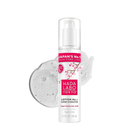
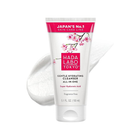
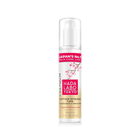
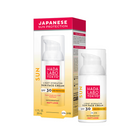
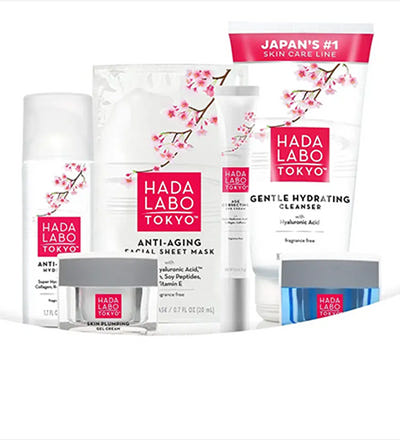
Hada Labo Tokyo SPF skincare is best for shoppers seeking hydration-focused sun care. The brand’s Japanese-inspired skincare positioning and Hyaluronic Acid ingredients fit that goal; neither establishes a guaranteed primer-like finish beneath makeup.
These face creams are relevant to a hydrating sun-protection routine. Their product descriptions provide a starting point, while their current labels remain the reference for application and protection details.
| Product | Best for | What the product description states | Limitation to check |
|---|---|---|---|
| Hada Labo Tokyo Face Sun Cream SPF 30 50ml | Shoppers seeking a lightweight hydrating face sunscreen | SPF 30, a lightweight and fast-absorbing formula, and Super Hyaluronic Acid | Fast absorption does not establish compatibility with every foundation |
| Hada Labo Tokyo Face Sun Cream SPF 50 50ml | Shoppers seeking a higher SPF rating with hydration | SPF 50 and intense hydration with Super Hyaluronic Acid | The description does not establish a matte finish or no-pilling performance |
Choose between these options using the protection label and your preferred routine—not an assumption that higher SPF means heavier texture. Test the full skincare-and-makeup combination before relying on it for a long outdoor day.


Why SPF moisturizer behaves differently under makeup
Pilling, shine, and patchy foundation do not have one universal cause. Your sunscreen, skincare, makeup, and application all contribute to the finished layer. Check these factors individually rather than replacing everything at once.
- Layer count: Serum, moisturizer, sunscreen, primer, and foundation create more interfaces than sunscreen and foundation alone. Remove optional steps first when troubleshooting.
- Formula texture: A finish that feels comfortable on bare skin can behave differently beneath foundation. Judge the combination, not the sunscreen in isolation.
- Settling between layers: Applying makeup while skincare remains visibly mobile makes blending harder. Follow label directions and let each necessary layer settle.
- Application technique: Repeated rubbing can disturb underlying layers. Use gentle blending and avoid continually reworking the same patch.
- Skin condition: Dry or flaky areas can make foundation look uneven. Address skin comfort without treating exfoliation as a required pre-makeup step.
- Outdoor exposure: Sweat, water, and towel drying affect your sun-protection routine. A neat makeup finish does not cancel the label’s reapplication instructions.
For troubleshooting in 2026, change one part of the routine at a time. Begin with the optional primer or separate moisturizer, then assess foundation application. Keep the required sunscreen amount unchanged throughout the comparison.
Can I mix SPF moisturizer into foundation?
Keep SPF moisturizer and foundation separate. Mixing them creates a blend that has not been tested as the labelled sunscreen formula. Apply sun protection first, then foundation; adding more foundation does not preserve the original sunscreen application.
Do I need primer over SPF moisturizer?
Primer is optional, and SPF moisturizer does not automatically function as one. Try sunscreen followed directly by foundation first; add primer only if it improves the finish without disrupting the underlying layer.
How do I reapply sunscreen when I am wearing makeup?
Approximately every 2 hours outdoors is the American Academy of Dermatology’s general reapplication guidance, with additional application after swimming or sweating according to the label. Makeup does not extend that interval; if you cannot apply an adequate, even layer over it, remove or reduce the makeup and reapply sunscreen properly.
FAQ
Can you wear SPF moisturizer under makeup every day?
Yes, SPF moisturizer can sit underneath your daily makeup. Apply it as the final skincare step, follow its directions, and maintain sun protection during outdoor exposure.
Should I put SPF moisturizer on before or after primer?
Put SPF moisturizer on before makeup primer. Let the sunscreen layer settle and apply primer gently, or skip primer if foundation works well without it.
How long should I wait before putting foundation over sunscreen?
There is no universal waiting time between sunscreen and foundation. Follow the product’s instructions and let the layer settle; the American Academy of Dermatology recommends sunscreen application 15 minutes before going outdoors.
Is SPF foundation enough without sunscreen underneath?
A light application of SPF foundation is not a reliable replacement for a properly applied sunscreen. Keep sunscreen as a separate step rather than depending on the amount of foundation needed for cosmetic coverage.
Why does my SPF moisturizer pill under makeup?
Pilling can result from the combination of formulas, too many layers, or repeated rubbing. Remove an optional skincare or primer layer first, and keep the sunscreen application consistent with its label.
Can I skip regular moisturizer if my sunscreen feels hydrating?
Yes, you can skip a separate moisturizer when the SPF moisturizer leaves your skin comfortable. If you need more hydration, apply moisturizer underneath rather than mixing it into sunscreen.
Do sunscreen and foundation SPF numbers add together?
No, sunscreen and foundation SPF numbers do not add together. Use sunscreen according to its own label and treat SPF-labelled makeup as a cosmetic layer, not a calculated protection boost.
Does SPF 50 mean I can leave my makeup untouched all day?
No, SPF 50 does not remove the need to reapply sunscreen. During outdoor exposure, follow the general approximately every 2 hours guidance and the product’s instructions after swimming or sweating.
One last thing
Simplify the makeup routine before you shrink the sunscreen step. If your base pills, try leaving out primer or an unnecessary moisturizer while keeping sun protection intact. A foundation finish is adjustable; the sunscreen label is not a suggestion about cosmetic texture.
Before a long outdoor event in 2026, plan reapplication alongside your makeup. Bring the sunscreen you intend to use, make room for a proper application, and use shade and protective clothing too. The best-looking base is not the same thing as a complete sun-protection routine.


