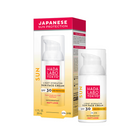
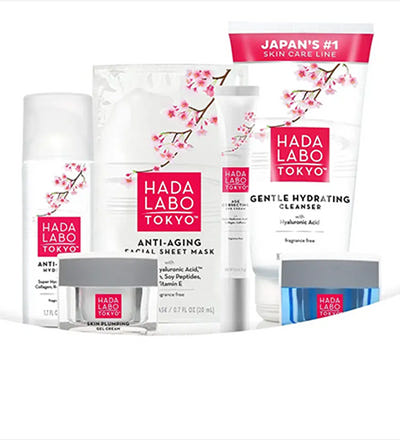


Choose the official Hada Labo Tokyo shop if you want to build a complete Hyaluronic Acid skincare routine from a focused brand catalog. Choose Amazon if you want to compare marketplace sellers or add one skincare product to a broader order; for Hada Labo Tokyo vs Amazon in 2026, the official shop wins for routine building, while Amazon wins for marketplace convenience.
- Hada Labo Tokyo vs Amazon in 2026 is a choice between focused skincare discovery and marketplace convenience.
- The official shop wins for building a multi-step Hyaluronic Acid skincare routine.
- Amazon wins when you want seller comparisons or a mixed-category basket.
- Check the seller, product size and exact formula before ordering skincare through a marketplace.
Why this matters
This comparison puts two different shopping models against each other. Hada Labo Tokyo is a dedicated Beauty & Personal Care shop for the brand's Japanese-inspired cleansers, serums, moisturizers, SPF, eye care, body care and face masks. Amazon is a broad marketplace where product pages can include offers from different sellers.
That distinction changes how you shop. A focused brand shop helps you discover products by skincare need and understand how a cleanser, hydrator, serum, cream or sunscreen fits into a routine. A marketplace prioritizes broad selection, seller comparison and the convenience of placing unrelated products in one basket.
In 2026, the deciding question is simple: are you planning a hydration routine or completing a general shopping order? The official shop is built around the first task. Amazon is built around the second.
At a glance
| Dimension | Official shop | Amazon |
|---|---|---|
| Best for | Complete hydration routines | Individual products in a broader order |
| Catalog focus | Dedicated skincare categories | Multi-category marketplace |
| Seller structure | One direct store | Seller-specific marketplace offers |
| Basket breadth | Brand-focused | Broad mixed-category basket |
| Decision signals | Formula and routine context | Reviews and seller information |
| Product detail and support | First-party product information | Listing information plus platform support |
| Pricing model | One current direct-store offer | Seller-specific marketplace offers |
| Standout feature | Easier routine building | Easier seller comparison |
Hada Labo Tokyo is better for planned skincare routines
Best for: shoppers choosing several products around hydration, cleansing, targeted care and daily protection.
The official shop organizes the buying journey around skincare rather than around a general marketplace search. You can move from cleansing to hydration, treatment, moisturizer and SPF without sorting through unrelated brands or repeated marketplace listings.
That focus is useful when product size and purpose matter. A 30 ml serum, a 50 ml face cream and a 150 ml hydrator do different jobs even when Hyaluronic Acid appears across the range. Seeing those formats within one dedicated catalog makes comparison clearer.
The limitation is equally clear: a brand shop does not help you compare independent sellers or add household products from other categories. If your basket extends well beyond skincare, the focused experience becomes less convenient.
Verdict: the official shop wins for a planned, multi-step routine. Amazon wins when skincare is one item on a longer shopping list.
The official shop offers more focused catalog discovery
Best for: shoppers who know their skin goal but have not chosen an exact product.
A dedicated catalog lets you begin with the role a product plays. You can distinguish cleansing products from water-based hydration, targeted serums, day creams, night creams, eye care, body care, masks and sun protection.
That matters in 2026 because similar product names do not make products interchangeable. A concentrated water serum is not a cleanser, and a night cream is not a substitute for daytime SPF. Category context reduces the risk of buying the right ingredient in the wrong format.
Amazon works better when you already have an exact title, size and formula to search for. It is less suited to discovering how products from one skincare range connect because its search experience spans many brands, categories and sellers.
The official shop still requires you to read each product description. A focused catalog simplifies discovery, but it does not replace checking ingredients or choosing products that suit your own skin.
Verdict: the official shop wins on skincare-specific discovery.
The official shop removes marketplace seller selection
Best for: shoppers who want one clear seller relationship.
Purchasing from the brand's e-commerce shop creates a direct transaction with that shop. You do not need to compare marketplace seller names, decide between seller-specific offers or determine which party supplied a listing.
Amazon's model adds a seller-selection step. Before ordering, inspect the seller shown on the product page, the exact product title, the container size and the listing images. Do not assume two pages with similar titles represent the same formula or package.
This does not mean every marketplace offer is problematic. It means Amazon requires an extra check that a direct store does not. That check matters for skincare because a familiar product name can appear beside a different size, regional package or formula description.
The official shop has a tradeoff: you get one direct catalog rather than competing marketplace offers. Shoppers who prefer comparing several sellers will find Amazon more useful.
Verdict: the official shop wins on purchase-source clarity; Amazon wins on seller choice.
Amazon is better for a broad, mixed-category basket
Best for: shoppers adding one known skincare item to a general order.
Amazon's main advantage is breadth. You can search for an exact skincare product while shopping across unrelated categories, manage the items through one marketplace basket and compare seller-specific information before completing the order.
That saves steps when skincare is not the main purpose of the shopping session. If you already know the exact product title and size, a focused brand catalog adds less value than it does during routine discovery.
The disadvantage is distraction. Search results can place similar names, sponsored placements, other brands and different sellers near each other. You need to verify that the selected page matches the product you intended to buy.
Verdict: Amazon wins for broad basket convenience, especially when you have already chosen the exact skincare product.
Amazon is better when marketplace signals guide your choice
Best for: shoppers who rely on customer reviews and seller information before ordering.
Amazon product pages can provide customer reviews, seller names and marketplace fulfillment information. Those signals help you compare how other shoppers describe a product and identify the party behind a specific offer.
Reviews need context. A review can reflect personal skin preferences, and skincare results vary between users. Confirm that the review relates to the same product and formula shown on the current page before treating it as relevant evidence.
The official store emphasizes first-party product descriptions and ingredient-led positioning instead. That makes it stronger for understanding the intended product role, but it does not provide the same multi-seller comparison experience.
Neither source should replace the label. Read the current ingredient list on the product packaging before first use, particularly if you avoid specific ingredients or know that your skin reacts easily.
Verdict: Amazon wins for marketplace decision signals; the official shop wins for first-party routine context.
Both provide useful product details in different formats
Best for: careful shoppers who verify the exact item rather than relying on a search-result title.
The official store presents products within the brand's own skincare range. This helps you understand whether an item is positioned as a cleanser, hydrator, serum, moisturizer, eye treatment, body product, mask or sunscreen.
Amazon can place product information, reviews and seller details on one marketplace page. The quality and focus of that information depend on the specific listing, so compare the page with the name, size and formula you intended to order.
Support also follows different paths. A direct-store order starts with the shop that sold the item. A marketplace order can involve Amazon's platform and the seller shown on the order. Check the current support and order terms before checkout rather than assuming the two routes work identically.
Both channels require attention. Neither removes the need to confirm the label, product size and intended use.
Verdict: this dimension is a tie. The official shop gives stronger brand context, while Amazon gives broader marketplace context.
Pricing models reward different shopping styles
Best for the official shop: shoppers who want one current direct-store offer. Best for Amazon: shoppers willing to compare seller-specific offers.
The official store follows a direct retail model. Each product page presents the shop's current offer, keeping the decision focused on which formula and format belong in your routine.
Amazon follows a marketplace model. The same search can lead to offers associated with different sellers, so the shopper must compare the seller, product details and checkout total rather than relying on the first result.
In 2026, do not compare headline figures alone. Confirm that both pages refer to the same product size and format. A 30 ml serum cannot be compared directly with a 50 ml cream, and a 150 ml hydrator serves a different role from either one.
The official model favors simplicity. The marketplace model favors comparison. Neither model guarantees the better checkout total for every order, so use the current product pages when making the final decision.
Verdict: pricing is a tie. Choose the official shop for a simpler direct-store decision and Amazon for seller-by-seller comparison.
The official shop has the stronger routine-building feature
Best for: shoppers discovering Japanese-inspired hydration products by routine step.
The standout advantage is not one individual item. It is the ability to view Hyaluronic Acid skincare as a connected routine, from cleansing and water-based hydration to serum, cream and daily sun protection.
For example, a concentrated water serum supports a different shopping need from a repair night cream or SPF 50 face cream. The dedicated catalog keeps those distinctions visible while you compare formats.
Amazon's standout feature is broader marketplace comparison. That is useful after you know the exact item, but it is less useful when the central question is which type of product belongs in your routine.


Verdict: the official shop wins for routine building; Amazon wins for marketplace comparison after product selection.
How to choose between them
Use this short decision process before ordering:
- Define the purchase. Choose whether you need one exact product or several steps in a hydration routine.
- Confirm the full product name. Similar names can describe a serum, lotion, cream, mask or cleanser.
- Match the size. Compare 30 ml with 30 ml and 150 ml with 150 ml rather than comparing unlike formats.
- Check the seller. On Amazon, identify the seller attached to the offer you are considering.
- Read the current label. Use the packaging ingredient list as the final reference for the product you receive.
- Review the checkout terms. Check the current order, support and delivery details on the channel you choose.
Choose the official store when steps one and two are still open questions. Choose Amazon when you can name the exact item, size and formula before you search.
Final verdict
Choose the official shop if you are building a hydration-focused routine in 2026. It wins on focused discovery, first-party product context, purchase-source clarity and the ability to compare product roles across cleansers, hydrators, serums, creams, SPF, eye care and masks.
Choose Amazon if you already know the exact product and want marketplace convenience. It wins when seller comparison, customer reviews and a broad mixed-category basket matter more than guided skincare discovery.
The short version is definitive: Hada Labo Tokyo is best for people choosing a complete Hyaluronic Acid skincare routine; Amazon is best for people adding one known product to a broader marketplace order.
One-glance scorecard
| Dimension | Winner |
|---|---|
| Best for planned routines | Official shop |
| Catalog focus | Official shop |
| Purchase-source clarity | Official shop |
| Broad basket convenience | Amazon |
| Marketplace decision signals | Amazon |
| Product detail and support | Tie |
| Pricing model | Tie |
| Routine-building feature | Official shop |
FAQ
Which is better, Hada Labo Tokyo or Amazon in 2026?
The official shop is better for building a complete hydration routine, while Amazon is better for comparing marketplace sellers or adding one known product to a broader order. Your winner depends on whether skincare discovery or marketplace convenience is the main task.
Is Amazon better for buying one Hada Labo Tokyo product?
Amazon is better when you already know the exact product title, size and formula and want it in a mixed-category basket. Check the seller and listing details before ordering.
Why buy from the official shop instead of Amazon?
Buy from the official shop for a focused catalog, first-party product context and one direct seller relationship. It is the clearer route when you are comparing several steps in a hydration routine.
Does Amazon present the same catalog as the official shop?
Amazon presents marketplace listings rather than the brand's dedicated catalog structure. Use the official shop for category discovery and Amazon after you have identified the exact product you want.
How much do these skincare products cost in 2026?
Check the current product page and checkout total because marketplace offers and direct-store listings can change. Compare the same product title and container size before deciding.
Can Amazon reviews help me choose skincare?
Amazon reviews can add shopper context, but they should not replace checking the formula and intended use. Confirm that a review refers to the same product shown on the current listing.
What should I check before buying skincare on Amazon?
Check the seller, exact product name, container size, listing images and formula description. Read the ingredient label on the product you receive before first use.
One last thing
Do not let a shared hero ingredient erase the differences between product formats. Hyaluronic Acid can appear in a 30 ml serum, a 50 ml cream or a 150 ml hydrator, but those products do not occupy the same place in a routine.
In 2026, the fastest way to avoid a poor comparison is to match three details before checkout: exact title, exact size and intended routine step. The official shop makes those distinctions easier to discover. Amazon becomes more useful after you already know them.


