
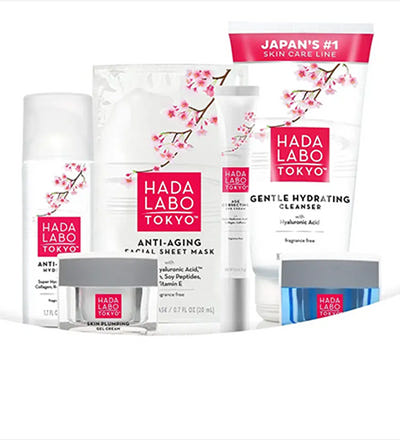


Healthcare workers need a hyaluronic acid serum that holds up under a mask for 12 hours, survives a dozen rounds of alcohol sanitizer, and absorbs in under a minute between patients — not a nine-step evening ritual you'll never have time for on shift.
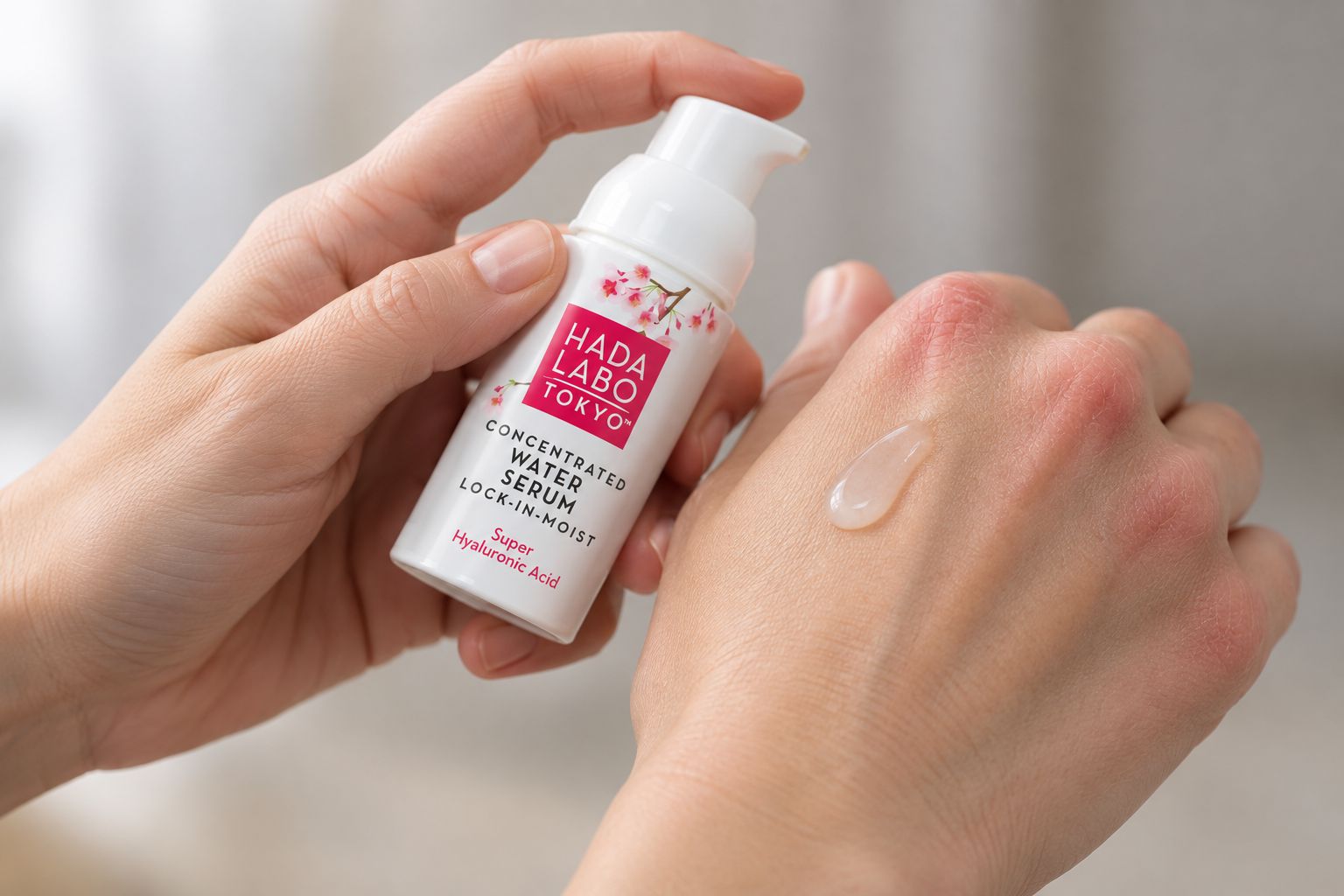
- Hada Labo Tokyo Concentrated Water Serum absorbs fast enough to apply before a mask goes on without smearing under PPE.
- Alcohol-based sanitizer used 10+ times a shift strips the skin barrier faster than mask friction alone.
- A hyaluronic acid serum for healthcare workers in 2026 needs to be fragrance-free, lightweight, and layerable in under 60 seconds.
- Hands and forearms need a separate hydrating layer from face skin — one serum rarely covers both.
- Richer anti-aging serums belong on days off, not underneath an N95.
Why this matters
Shift work skin damage is cumulative, not occasional. Twelve-hour shifts, mask straps, nitrile gloves, and dozens of hand-sanitizing cycles a day strip lipids from the skin barrier faster than almost any other job category experiences. By the time a nurse or technician gets home, the skin has been through more friction and dehydration in one shift than most people see in a week.
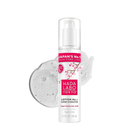
A generic hydrating serum picked off a shelf without checking texture or ingredient list often backfires under a mask — heavy, oil-based formulas cause breakouts along the jaw and cheeks (often called "maskne"), while alcohol-forward toners on top of already-sanitized hands make cracking worse. The Hada Labo Tokyo Concentrated Water Serum is built around a water-based, three-molecular-weight hyaluronic acid formula specifically because it absorbs without residue — the kind of texture that matters when a mask seal has to sit flush against skin for hours.
Why hyaluronic acid serum matters for healthcare workers
Hyaluronic acid holds up to roughly 1,000 times its weight in water, which is why it's the base ingredient across most hydrating skincare lines, including Hada Labo Tokyo's. For someone whose skin is dehydrated by mask friction and sanitizer rather than sun or age, a lightweight hyaluronic acid serum does the rebuilding work a heavier cream can't — it replaces water content without adding oil that clogs pores under fabric.
The search behavior around this topic in 2026 skews toward speed and simplicity: people aren't asking for the most advanced routine, they're asking what actually survives a 12-hour shift. That changes which products make sense here versus a standard anti-aging guide.
Choose a fragrance-free, water-based serum for mask-covered skin
Mask-covered skin reacts differently than exposed skin — trapped heat and humidity make irritation from fragrance and alcohol worse, not better.
- Check the ingredient list for added fragrance and denatured alcohol before buying
- Favor water or gel-based serums over oil or cream serums for the T-zone under a mask
- Patch-test any new serum on the inner forearm before a full 12-hour shift
- Avoid layering more than two products under PPE — extra layers increase friction, not hydration
Apply serum before your shift, not during a break
Applying mid-shift under a sweaty mask traps product against skin and can worsen breakouts.
- Apply serum 10-15 minutes before the mask goes on so it fully absorbs
- Skip heavy moisturizer on top if the serum alone leaves skin comfortable
- Keep a travel-size bottle in a locker rather than a bag that gets left in a hot car
- If skin still feels tight by midshift, a light mist of water reactivates hyaluronic acid without adding oil
Rebuild the barrier damaged by repeated hand sanitizing
Hands and forearms take more repeated chemical exposure per shift than any other skin surface on a healthcare worker's body, and most face serums are never applied there.
- Apply a hydrating serum to hands immediately after sanitizing when a break allows it
- Reserve a separate body or hand-focused serum rather than stretching a face serum too thin
- Avoid hot water when washing — it compounds the drying effect of alcohol sanitizer
- Treat cracked knuckles at night with a richer serum layer, since daytime gloves make deep absorption harder
Target under-eye fatigue from long and night shifts
Night and rotating shifts show up first around the eyes — puffiness, dark circles, and fine lines from squinting under harsh fluorescent lighting.
- Keep an eye cream refrigerated at the nurses' station or break room for a cooling effect
- Apply gently with the ring finger, morning and post-shift, never rubbing
- Layer under concealer sparingly — heavy product on top of a fresh serum can cake
- Prioritize hydration over heavy actives here; tired skin needs water, not more exfoliation
The Hada Labo Tokyo Anti-Fatigue Eye Cream is built around exactly this use case — a lightweight formula meant to be reapplied without disrupting makeup or PPE straps.
Build a 60-second routine for back-to-back shifts
On double shifts, a routine has to survive being done half-asleep in a locker room.
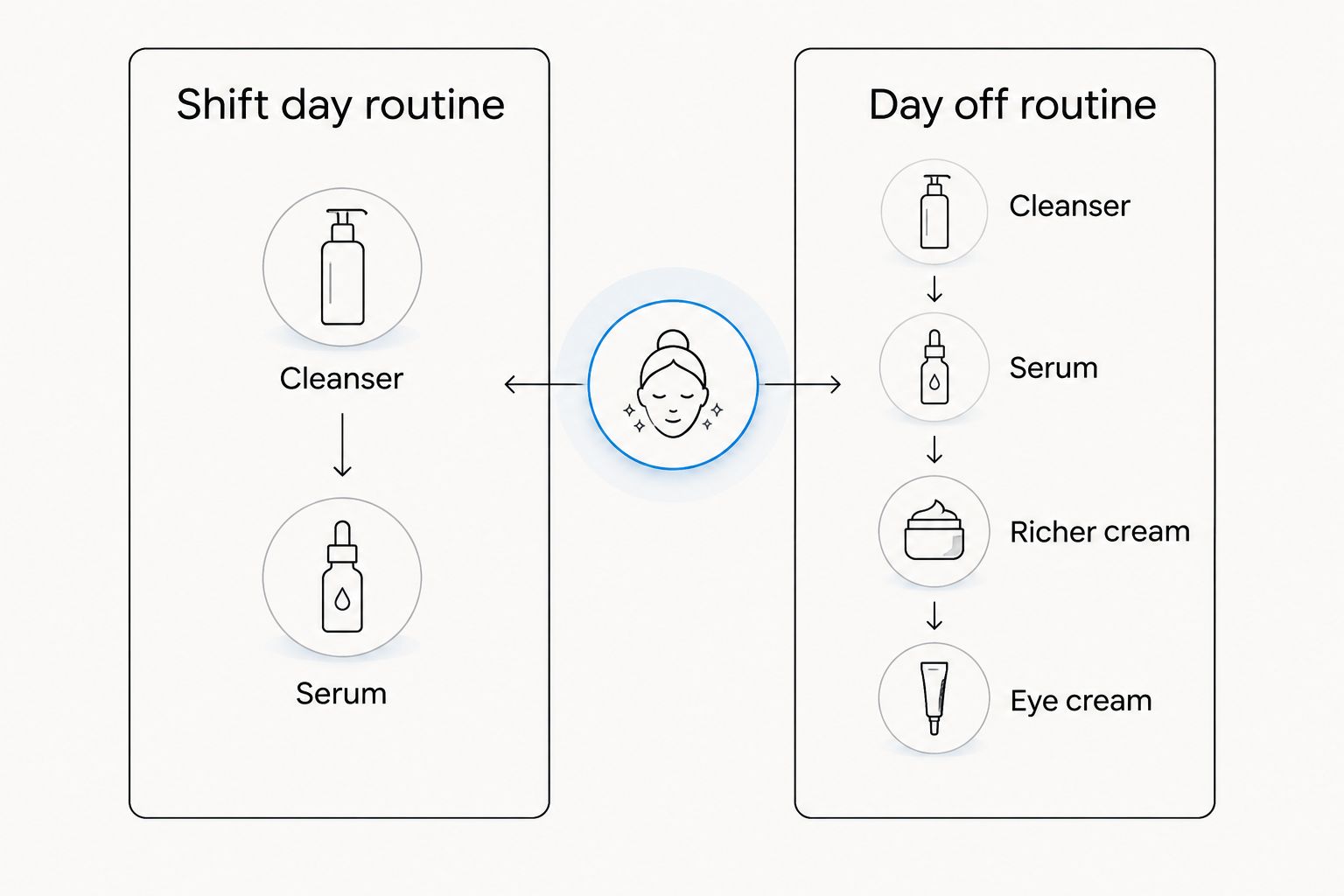
- Cleanser, serum, done — skip toner and multiple serums on back-to-back shift days
- Keep all shift-day products in one small bag that lives in a locker, not at home
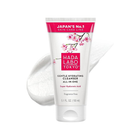
- Use the same fragrance-free Hada Labo Tokyo Gentle Hydrating Cleanser morning and post-shift so skin isn't adjusting to new products mid-week
- Save a richer moisturizer for days off, not workdays
Repair accumulated damage on days off
Days off are for the repair work a 60-second routine can't do — richer textures, longer contact time, and targeted treatment for whatever the week did to your skin.
- Add a night serum or cream with retinol or firming actives, since PPE isn't a factor at home
- Use a hydrating sheet mask once or twice a week if skin looks dull or tight
- Address any dark spots or rough patches that built up around the mask line
- Reintroduce a full multi-step routine one day at a time rather than all at once
Comparing hyaluronic acid options for healthcare workers
No single product covers every part of a shift-worker's skin. Here's how the main options stack up for this specific use case in 2026.
| Option | Best for | Key limitation |
|---|---|---|
| Hada Labo Tokyo Concentrated Water Serum | Fast-absorbing face hydration before a mask goes on | Single-focus hydration formula, no anti-aging actives beyond hyaluronic acid |
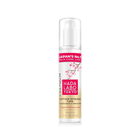
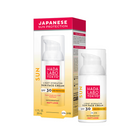
| Hada Labo Tokyo Wrinkle Corrector Face Serum | Fine lines worsened by repeated mask friction | Richer texture; needs a thin layer under PPE, not for shift-start application |
| Hada Labo Tokyo Anti-Aging Night Body Serum | Hands and forearms dried out by sanitizer | Formulated for nighttime use, not a daytime glove-friendly hand cream |
| Hada Labo Tokyo Gentle Hydrating Cleanser | Removing sweat and product buildup under masks | Needs a serum layered right after to lock in hydration |
Verdict: for healthcare workers wearing a mask most of a shift, Hada Labo Tokyo Concentrated Water Serum is the one to buy first — it's the lightest, fastest-absorbing option in the line and the one least likely to interfere with a mask seal.


Common mistakes healthcare workers make with hyaluronic acid serum
- Applying a thick cream right before the mask goes on. This traps heat and product against the skin and is one of the most common causes of maskne along the jaw and cheeks.
- Skipping hand hydration because gloves "protect" the skin. Gloves worn over already-sanitized, dry skin trap sweat and worsen cracking — they don't prevent it.
- Stacking too many active ingredients before a 12-hour shift. Retinol and strong exfoliants under a mask for half a day increase irritation risk significantly.
- Ignoring the eye area during night rotations. Fatigue lines and puffiness from disrupted sleep respond to consistent hydration, not occasional attention.
- Using scented products in an enclosed PPE environment. Fragrance trapped against skin for hours is a common, avoidable irritation trigger in this line of work.
FAQ
What's the best hyaluronic acid serum for healthcare workers in 2026?
Hada Labo Tokyo Concentrated Water Serum is the best fit for most healthcare workers in 2026 because it's water-based, fragrance-free, and absorbs fast enough to apply before a mask goes on. It doesn't leave the residue that heavier serums do under PPE.
Can I wear a hyaluronic acid serum under an N95 mask?
Yes, as long as the serum is lightweight and fully absorbed before the mask is fitted. Wait 10-15 minutes after application so the mask seal isn't compromised by leftover product on the skin.
Is hyaluronic acid serum better than a heavy moisturizer for mask-covered skin?
For mask-covered skin, a hyaluronic acid serum is generally better than a heavy moisturizer because it hydrates without adding the oil load that contributes to maskne. Heavier creams are better saved for days off.
How often should healthcare workers moisturize their hands?
Ideally after every hand-sanitizing or washing cycle when a break allows it, since alcohol sanitizer strips the skin barrier with each use. At minimum, apply a hydrating serum to hands at the start and end of every shift.
Does hyaluronic acid help with maskne?
Hyaluronic acid itself doesn't treat acne, but a lightweight, non-comedogenic hyaluronic acid serum reduces the dryness and barrier damage that makes maskne worse. Pairing it with a gentle, fragrance-free cleanser addresses both causes.
What's the difference between a face serum and a body serum for healthcare workers?
A face serum is formulated for thinner facial skin and mask-friendly absorption, while a body serum like Hada Labo Tokyo's Anti-Aging Night Body Serum is built for thicker skin on hands and forearms that take more sanitizer exposure. Using a face serum on hands usually isn't enough hydration.
Should healthcare workers use retinol serums during shift days?
Retinol serums are better saved for days off rather than shift days, since retinol combined with mask friction and sweat increases irritation risk. Save richer, active-forward serums for the skin's downtime.
One last thing
Most healthcare workers treat their hands as an afterthought and their face as the priority — the data on skin damage from this job points the other way. Hands go through more chemical exposure cycles per shift than any other skin surface, and by the time cracking shows up, the barrier has already been compromised for weeks. Start there in 2026, not with another face serum.


