


Hyaluronic acid serum for postpartum skin is a hydration-first step added to a simplified routine to counter the dehydration, barrier stress, and hormonal swings that follow childbirth. Postpartum skin behaves differently than pre-pregnancy skin: sleep deprivation dries out the skin barrier faster, breastfeeding hormones can trigger melasma or breakouts, and most new parents have under two minutes for any routine step.
- A hyaluronic acid serum for postpartum skin rehydrates a barrier stressed by sleep loss and hormone shifts without the actives that need a doctor's clearance during breastfeeding.
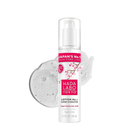
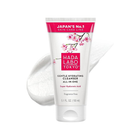
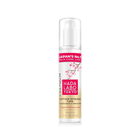
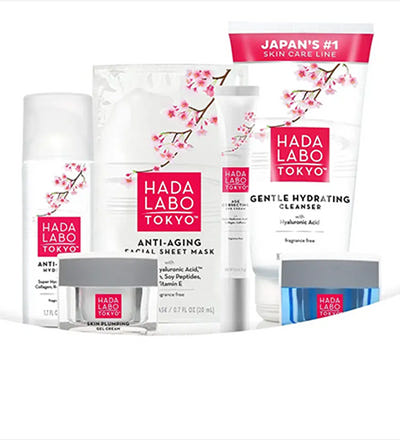
- Hada Labo Tokyo Concentrated Water Serum layers under a night cream in under 90 seconds, which matters when routines happen between feeds.
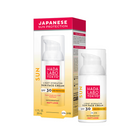
- Postpartum melasma responds to consistent SPF, not to skipping sun protection because you're indoors more in 2026.
- Retinol-based products need a breastfeeding check with your provider; hyaluronic acid does not carry that same conversation.
Why hyaluronic acid serum matters for postpartum skin
Postpartum skin loses water fast. Nursing pulls fluid reserves, night feeds cut deep sleep, and the drop in estrogen after delivery reduces the skin's own moisture retention for months, not weeks. A hyaluronic acid serum works by pulling water into the surface layers rather than adding oil, which suits skin that's simultaneously dehydrated and prone to breakouts from hormone swings.
The other reason this matters in 2026: many of the ingredients marketed hard for anti-aging (high-strength retinoids, some acids) sit in a grey zone for nursing parents and need a provider's sign-off. Hyaluronic acid does not carry that conversation, which is why it's the ingredient most postpartum skincare routines default to first.
Postpartum skin, three months in
By the three-month mark most people are dealing with one or more of: dry patches around the mouth and eyes, lingering melasma across the cheeks and forehead, and a general dullness from disrupted sleep. A serum alone doesn't fix all three — it needs to sit inside a routine built for the amount of time you actually have.
Build the postpartum hydration routine
Simplify your cleansing step
Long double-cleanses and hot water strip a barrier that's already compromised. Postpartum skin does better with something fast and mild.
- Use lukewarm water, not hot — hot water accelerates transepidermal water loss
- Cap face-washing at 60 seconds, even at 3am
- Pick a cleanser without sulfates if breakouts have appeared
- Skip toner steps that sting or tighten the skin
Layer hyaluronic acid before anything heavier
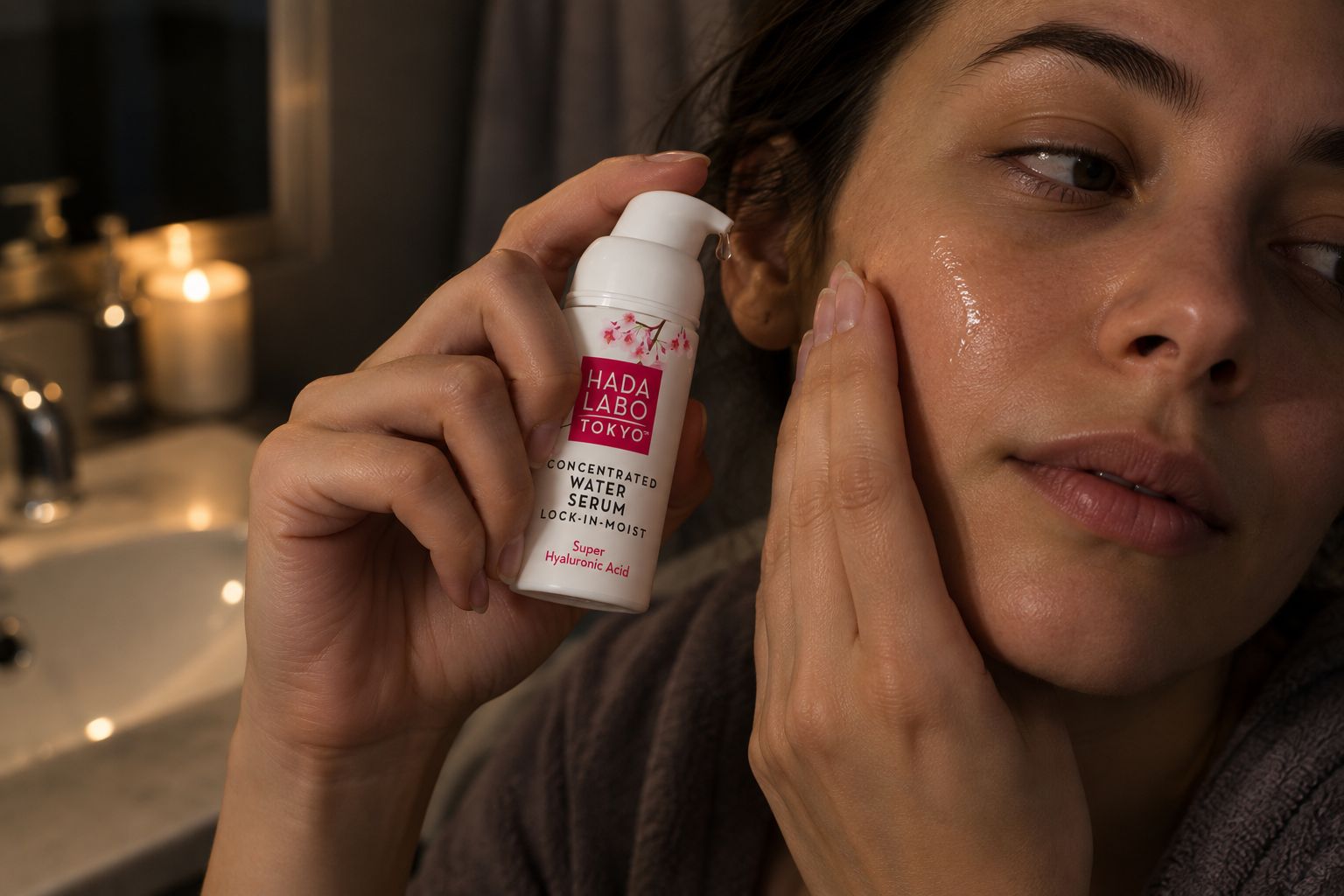
Apply serum to damp skin, not dry skin — hyaluronic acid draws moisture from whatever is nearby, including the air, so damp skin gives it more to work with. Follow with a cream within 60 seconds to seal it in.
- Apply on slightly damp skin straight after cleansing
- Use 3-4 drops for the full face, more isn't better with a hydration serum
- Let it absorb for 30-60 seconds before the next step
- Layer a second, lighter hydrating step underneath if skin still feels tight
Choose actives that fit breastfeeding
This is the step most postpartum routines get wrong by defaulting to pre-pregnancy habits. Retinol, high-dose salicylic acid, and some essential oils warrant a conversation with your OB or GP before you restart them.
- Hyaluronic acid and glycerin-based hydrators are generally treated as compatible — confirm with your provider if unsure
- Niacinamide is commonly tolerated and helps with postpartum redness
- Hold off on restarting retinoids until you've had that conversation
- Patch-test anything new on the inner arm first; postpartum skin reacts more than it used to
Target the eye area separately
Fatigue shows up around the eyes before anywhere else, and that skin is thinner and dries out faster than the rest of the face.
- Use a lightweight eye cream, not the face moisturizer, around the orbital bone
- Apply with the ring finger — the lightest pressure available
- Keep it in the fridge if puffiness is the main complaint, not just dryness
Build a routine that survives interrupted sleep
A routine only works if it survives being done half-asleep at 2am. Cut it down to what you'll actually repeat.
- Three steps maximum for the middle-of-the-night version: cleanse, serum, cream
- Keep everything on one shelf within arm's reach of the bed
- Skip the 10-step version until sleep evens out
- Batch the extras (masks, exfoliants) for daytime, once a week
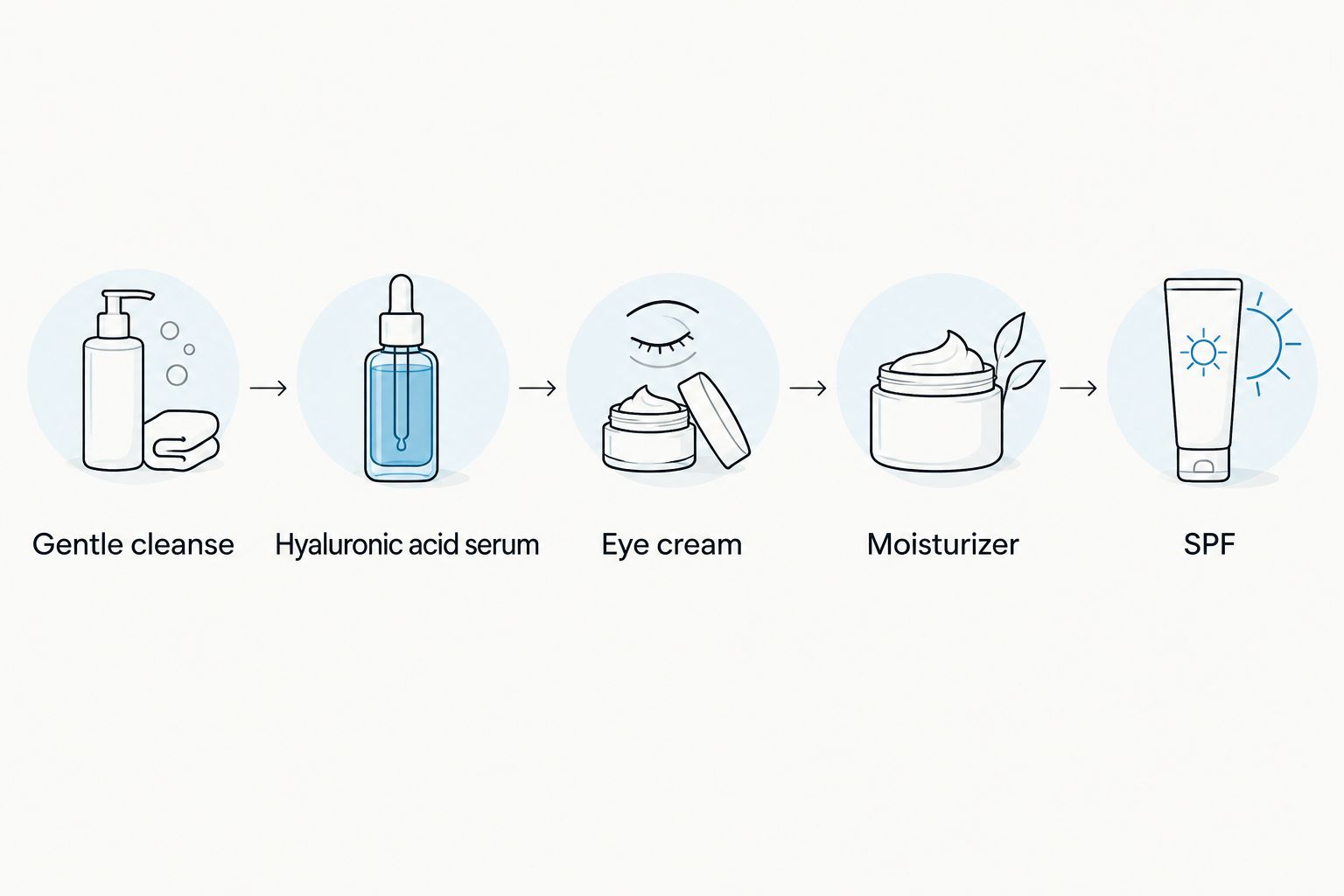
Once the routine sticks, the order of steps matters more than the number of products. A five-step version, laid out visually, looks like this:
Reapply SPF even if you're mostly indoors
Postpartum melasma (sometimes still called the "mask of pregnancy" even after delivery) is driven by hormones and worsened by UV exposure through windows and during school runs.
- Reapply SPF mid-morning if you're near a window most of the day
- Pick a formula that layers over serum without pilling
- Don't skip SPF on cloudy days — melasma doesn't need direct sun to darken
Don't forget the body
Stretch marks, deflated skin elasticity around the abdomen, and dryness from postpartum sweating all get less attention than the face but respond to the same hydration logic.
- Apply a body serum while skin is still damp from the shower
- Focus on the abdomen, hips, and chest where stretching was greatest
- Keep it to one product layer — body routines don't need the same complexity as face routines
The Hada Labo Tokyo Wrinkle Corrector Face Serum is worth adding once sleep stabilizes and skin can tolerate a slightly richer texture, but it's a second-phase product, not a starting point in the first weeks postpartum.


Comparing routine options for postpartum skin
| Option | Best for | Key limitation |
|---|---|---|
| Serum only | The first 4-6 weeks postpartum, minimal time | Doesn't seal in moisture as well without a cream layer |
| Serum + night cream | Dry, tight skin once sleep starts stabilizing | Two extra minutes needed, harder on no-sleep nights |
| Full face + eye + body routine | Once feeding schedule settles, around month 3-4 | Takes longer, needs a dedicated shelf of products |
| Anti-aging serum added back in | After the breastfeeding-active check is cleared | Not a starting point — introduce only after the barrier is stable |
Verdict: start with serum-only in the first weeks, add a night cream once you're getting more than four consecutive hours of sleep, and hold the stronger anti-aging actives until your provider has cleared them.
Common mistakes postpartum skin routines make
- Skipping SPF because you're "mostly indoors" — postpartum melasma darkens from window-filtered UV, not just direct sun
- Restarting a pre-pregnancy retinol routine on day one — without checking breastfeeding compatibility first
- Over-cleansing to fight postpartum breakouts — this strips the barrier further and makes dryness worse
- Treating the face and ignoring the body — stretch-mark-prone areas need the same hydration logic as the face
- Expecting fast results during a hormone crash — skin texture often doesn't stabilize until several months postpartum, and hydration is a maintenance habit, not a quick fix
“Start with serum-only in the first weeks, then add a night cream once sleep stabilizes.”
FAQ
Is hyaluronic acid serum safe for postpartum skin?
Yes, hyaluronic acid is one of the ingredients most commonly used through breastfeeding and postpartum recovery because it hydrates without the retinoid or high-strength acid concerns that need a provider's check. Always confirm anything new with your OB if you're unsure.
What's the best hyaluronic acid serum for postpartum skin in 2026?
A serum with multiple molecular weights of hyaluronic acid, like the Hada Labo Tokyo Concentrated Water Serum, covers both surface and deeper hydration in one step. Best for anyone rebuilding a simplified routine in the first months postpartum.
Can I use retinol while breastfeeding?
Restarting retinol during breastfeeding needs a conversation with your provider first, since guidance varies by concentration and individual health history. Hyaluronic acid doesn't carry that same restriction, which is why it's the default hydration step postpartum.
How long does postpartum skin dryness last?
Dryness tied to hormone shifts and sleep loss commonly eases over the first several months as hormone levels and sleep patterns stabilize, though the exact timeline varies by person. A consistent hydration routine speeds the visible improvement more than any single product.
Does postpartum skin need a different routine than pregnancy skin?
Yes — pregnancy skincare avoids certain ingredients for fetal safety, while postpartum routines are shaped more by breastfeeding compatibility and time constraints. The ingredient list overlaps heavily, but the reasoning behind each choice shifts.
Why does postpartum skin break out even with gentle products?
Hormone levels swing sharply after delivery, and that swing triggers breakouts independent of the products used. Switching to milder cleansers and adding hydration reduces irritation but doesn't fully stop hormone-driven breakouts.
Is melasma from pregnancy permanent?
Melasma often fades over the months after delivery as hormone levels settle, though some cases persist longer and respond best to consistent daily SPF. It rarely needs specialized treatment before the one-year mark unless it's not improving at all.
Can I use the same serum on my face and stretch marks?
Face serums can be used on the body, but a dedicated body serum applies more efficiently over larger areas and is formulated for thicker skin. Keep the two separate if you're using more than a few drops per application.
One last thing
The single biggest routine change postpartum isn't a new product — it's timing. Applying hyaluronic acid serum on damp skin straight out of the shower or after a quick face rinse, rather than on fully dry skin, changes how much moisture the serum actually locks in, and it costs zero extra minutes in a routine where minutes are the scarcest resource in 2026.


