


No—micellar water is not inherently bad for your skin long term when the formula suits your skin and you use it without repeated rubbing. The main concerns are irritation from ingredients, residue that bothers your skin, and friction during makeup removal—not the number of years you have used it. For your 2026 routine, keep it if cleansing leaves your skin comfortable; rinse it off or change products if you develop persistent stinging, redness, or tightness.
- Is micellar water bad for your skin long term? Not inherently; irritation and repeated rubbing are the practical concerns.
- Rinse micellar water off if residue leaves your skin uncomfortable, even when the label permits no-rinse use.
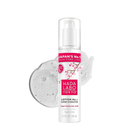
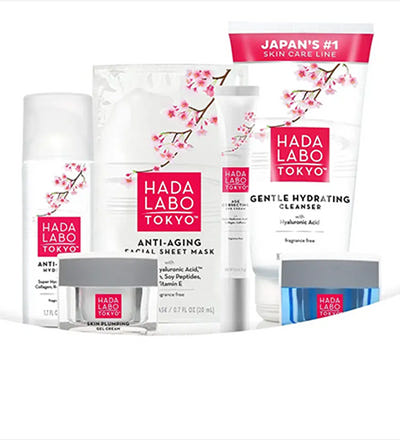
- Hada Labo Tokyo offers makeup-removing micellar water; choose by skin tolerance, not bottle size.
- Micellar water removes makeup; it does not replace moisturizer or treat a damaged skin barrier.
Why this matters
You do not need to abandon a cleanser that works because you have used it for a long time. You do need to notice whether your skin feels comfortable afterward. Cleansing should remove what is on your skin without becoming a daily cycle of rubbing, burning, and trying to soothe the result.
The useful distinction in 2026 is between a product category and your response to a particular formula. Two micellar waters can have different ingredients, and the same product can feel different on healthy skin versus already irritated skin. If your concern is incomplete cleansing rather than irritation, start with whether micellar water is enough to clean your face.
Is micellar water bad for your skin long term?
Micellar water is not automatically harmful with long-term use. Its cleansing agents help lift oils and makeup from the skin, but any cleansing formula can irritate someone whose skin does not tolerate its ingredients or the way it is applied.
That is different from saying every formula is suitable for every face. A product that repeatedly causes burning, itching, or redness is not a good daily choice for you, even if someone else uses it comfortably. Conversely, years of comfortable use are not a reason to stop solely because the product contains cleansing agents.
| Cleansing approach | Best for | Practical benefit | Limitation |
|---|---|---|---|
| Micellar water used as directed | Light makeup removal when your skin tolerates the formula | Convenient removal with a pad | Pad friction and leftover formula can bother sensitive skin |
| Micellar water followed by rinsing | Skin that feels uncomfortable with residue | Removes remaining cleansing solution | Adds a rinse and does not fix an ingredient allergy |
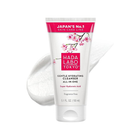
| A gentle rinse-off cleanser | People who prefer washing without cotton pads | Cleanses with fingertips rather than wiping | An unsuitable formula or excessive washing can still irritate |
| Hada Labo Tokyo Micellar Water Make-up Removing 400ml | Shoppers seeking a makeup-removing micellar water | A product explicitly identified for makeup removal | The 400ml bottle size does not establish personal tolerance or waterproof-makeup performance |
Judge the result on your skin, not the promise of convenience. A no-rinse instruction describes how a product can be used; it does not mean leaving it on is the most comfortable choice for everyone.
Why your skin's response to micellar water varies
There is no useful rule that makes all micellar water good or all micellar water bad. These factors explain why one routine feels comfortable while another does not:
- The formula: Cleansing agents, fragrance, preservatives, and other ingredients differ between products. Your tolerance depends on the finished formula, not just the category name.
- Your skin's condition: Eczema, an active rash, or irritation from other skincare can make an otherwise tolerable cleansing step uncomfortable.
- How much you rub: Repeated wiping adds friction. If makeup does not come away easily, harder scrubbing is not the answer.
- What you are removing: Stubborn makeup and water-resistant sunscreen demand effective removal. Not every micellar formula handles every product equally well.
- What remains afterward: Some people tolerate a leave-on residue; others find rinsing more comfortable.
- The rest of your routine: Exfoliants, retinoids, hot water, and repeated cleansing can contribute to irritation. Micellar water is not always the only relevant step.
Use those factors to change one part of your routine at a time. Changing your cleanser, exfoliant, serum, and moisturizer together makes it harder to identify what caused discomfort.
Should you rinse micellar water off every time?
Follow the product's directions, but rinse if leaving micellar water on makes your skin uncomfortable. A formula intended for no-rinse use does not automatically need a second cleanser. Equally, you do not have to preserve a no-rinse routine when it leaves your face stinging or feeling coated.
Use lukewarm water rather than hot water. Pat your skin dry instead of rubbing it with a towel, then apply a moisturizer you already tolerate. Adding an aggressive wash afterward defeats the purpose of making cleansing gentler.
Rinsing addresses residue; it does not make an unsuitable ingredient suitable. If symptoms continue after rinsing, stop using the product rather than repeatedly testing whether your skin will adjust. Persistent irritation deserves assessment by a healthcare professional.
What if the bottle says no rinsing is necessary?
No-rinse directions mean the product is intended to work without a water rinse. They are not a guarantee that everyone will tolerate leaving the formula on. Your skin's comfort remains the deciding factor.
If you are satisfied with removal and your skin feels normal afterward, an extra wash is not automatically better. Clean skin does not need to feel squeaky or tight.
How to use micellar water without unnecessary irritation
For a practical 2026 cleansing routine, aim for effective removal with the least friction. Read the directions first, especially before using a product around your eyes.
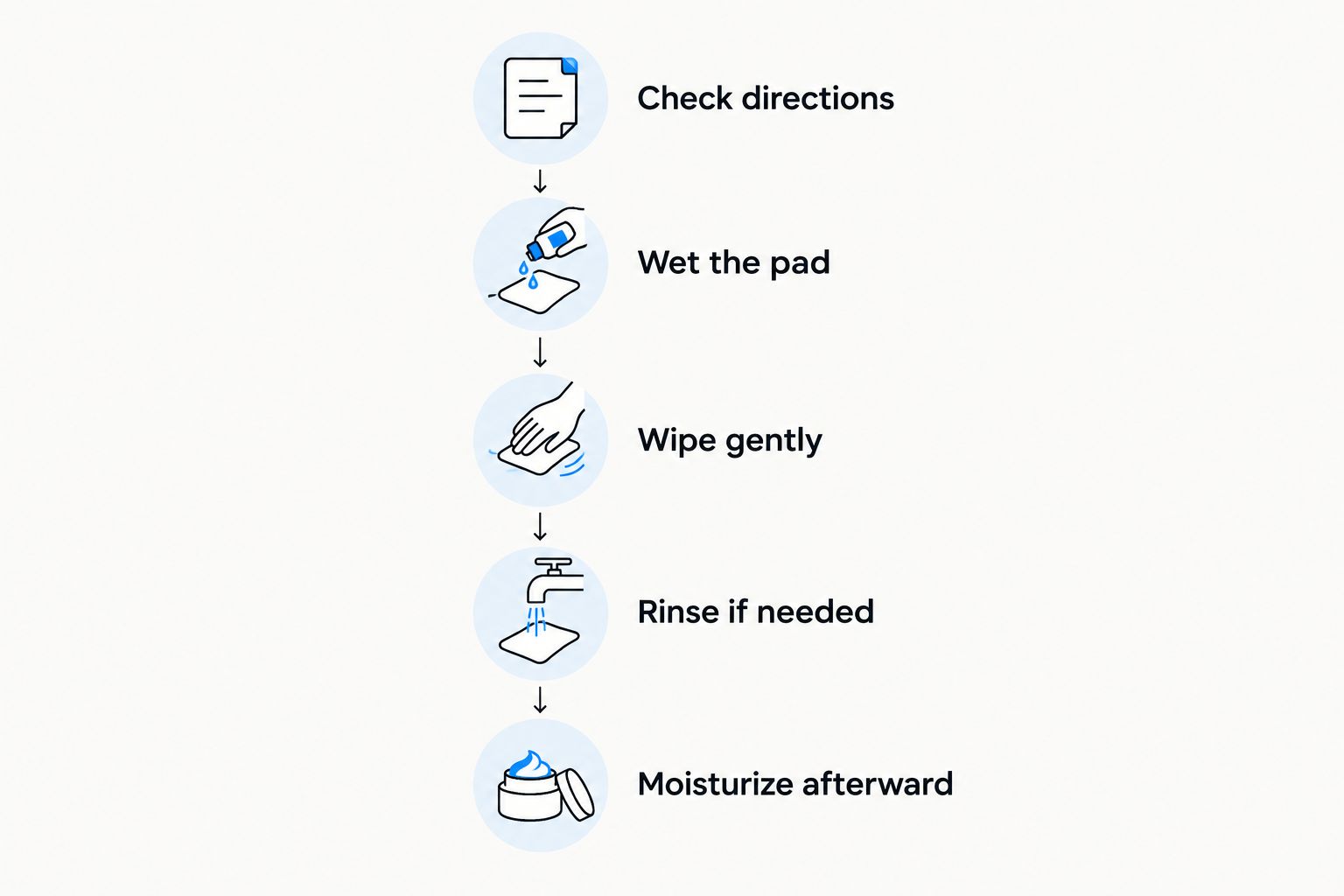
- Check directions. Confirm where the formula can be used and whether the manufacturer gives specific rinsing or eye-area instructions. Do not assume every micellar water is suitable for eye makeup.
- Wet the pad. Moisten the pad with the product so you are not dragging a dry surface across your face. Use a soft pad rather than an abrasive cloth.
- Wipe gently. Let the formula loosen makeup, then wipe without scrubbing. Replace a dirty pad instead of spreading removed makeup back across your skin.
- Rinse if needed. Rinse when residue feels uncomfortable or when the directions require it. If makeup remains, use an appropriate remover or gentle cleanser rather than increasing pressure.
- Moisturize afterward. Apply a familiar moisturizer after cleansing. Avoid adding several new skincare products while you are assessing a reaction.
The pad is a tool, not a test of how much pressure your skin can withstand. If the same area needs repeated forceful wiping, change the removal method. A cleanser that matches the makeup is more useful than a stronger hand.
Can you use micellar water every day?
Daily use is reasonable when your skin tolerates the formula and the routine removes what you need it to remove. Daily burning, redness, or uncomfortable tightness is a reason to change the routine, not proof that cleansing is working.
Choose frequency according to what is on your face and how your skin responds. You do not need a cotton-pad cleansing step merely because it is morning or because a routine online includes it. If you are not removing makeup, a gentle wash can be simpler.
Avoid stacking cleansing steps without a purpose. Micellar water, cleansing oil, face wash, and an exfoliating cleanser are not all necessary in the same session. Each additional step introduces another opportunity for irritation.
Is micellar water enough after sunscreen or waterproof makeup?
Micellar water is enough only when the particular formula removes the products you are wearing. Waterproof makeup and water-resistant sunscreen are not interchangeable, and a makeup-removing label alone does not establish performance against every formula.
If residue remains, choose a remover intended for the task. Double cleansing is an option when you need it, not a requirement for every face every evening. The endpoint is effective removal without sore skin.
Can micellar water cause breakouts or damage your skin barrier?
Micellar water can irritate your skin, but new spots do not prove that micellar water damaged your barrier. Breakouts, contact dermatitis, and friction-related irritation can look different and have different causes. Timing helps identify a suspect product; it does not establish a diagnosis.
Pay attention to the pattern. Burning and itching after application point to a different problem from isolated spots that develop while several products are changing. Stop a suspected irritant and simplify your routine rather than treating every reaction with more active ingredients.
Do not describe cleanser-related discomfort as purging and push through it. Micellar water is a cleansing step, not a treatment that requires your skin to become inflamed before improving. Persistent stinging is a stop signal, not a milestone.
If you develop ongoing redness, scaling, cracking, or worsening symptoms, seek medical advice. Get urgent help for severe swelling or breathing difficulty. A skincare routine cannot diagnose or treat an allergic reaction.
What should you apply after micellar water?
After cleansing, prioritize a moisturizer your skin already tolerates. A hydrating serum is optional; it does not replace cleansing, and adding one does not make an irritating cleanser safe. During an active reaction, familiarity matters more than expanding your routine.
Hada Labo Tokyo skincare is best for shoppers seeking Japanese-inspired, Hyaluronic Acid-focused hydration. That positioning fits the after-cleansing step, but it is not a claim that the range treats dermatitis or suits every sensitive skin type.
| After-cleansing option | Best for | Stated role | Limitation |
|---|---|---|---|
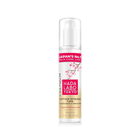
| Hada Labo Tokyo Concentrated Water Serum Lock-in-Moist 30ml | Shoppers who want a separate hydrating serum step | The supplied description identifies three types of hyaluronic acid | A serum is not a cleanser or a treatment for an allergic reaction |
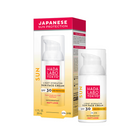
| Hada Labo Tokyo Intense Hydrating Skin-Plumping Gel 50ml | Shoppers who prefer a gel described as a cream-and-serum fusion | The supplied description identifies a lightweight hydrating format | A hydrating format does not guarantee individual tolerance |
The 30ml serum and 50ml gel serve a different purpose from makeup removal. Choose an aftercare format because it fits your routine, not because you expect it to compensate for uncomfortable cleansing. Introduce a new product separately so you can observe your response.
FAQ
Is micellar water bad for your skin long term in 2026?
Micellar water is not inherently bad for your skin long term. The practical concerns are an unsuitable formula, uncomfortable residue, and repeated rubbing; persistent irritation is a reason to stop or change the routine.
Should I wash my face after using micellar water?
Wash or rinse afterward when the directions require it, makeup remains, or residue bothers your skin. A second cleanser is not automatically necessary when removal is complete and your skin feels comfortable.
Can I leave micellar water on overnight?
You can leave a product intended for no-rinse use on your skin if you tolerate it. Rinse it off if it causes discomfort, and stop using it if irritation continues.
Does micellar water cause premature aging?
Using micellar water is not, by itself, a reason to expect premature aging. Avoid repeated irritation and forceful rubbing rather than treating all micellar formulas as an aging risk.
Is micellar water suitable for eczema-prone skin?
Suitability depends on the formula and the condition of your skin. Avoid a product that stings or worsens a flare, and ask a healthcare professional for guidance when eczema is active.
Can micellar water replace moisturizer?
Micellar water cannot replace moisturizer because cleansing and moisturizing serve different purposes. Apply a moisturizer you tolerate after cleansing, especially if your skin feels dry.
Is Hada Labo Tokyo micellar water guaranteed to suit sensitive skin?
No individual tolerance guarantee is established by the supplied product information. Check the current ingredients and directions, and stop using the product if it causes irritation.
One last thing
A larger bottle is not evidence of gentler cleansing. For your 2026 routine, judge a micellar water by comfortable, effective removal—not its size, the number of steps it replaces, or how clean the cotton pad looks after repeated wiping. If removal requires scrubbing, change the method before adding more skincare.


