


SPF 50 is the better everyday choice when both sunscreens feel comfortable and offer UVA protection: it provides more protection against sunburn-causing UVB than SPF 30. Neither rating replaces generous application, reapplication during outdoor exposure, or protection from clothing and shade; this 2026 guide explains the difference and how to choose a hydrating formula you will actually wear.
- SPF 50 vs SPF 30 everyday: choose SPF 50 when comfort and UVA protection are otherwise equal.
- SPF 30 remains a suitable daily minimum when applied generously and paired with UVA protection.
- Higher SPF does not extend your reapplication interval or replace shade and protective clothing.
- Hada Labo Tokyo sunscreen suits shoppers seeking Hyaluronic Acid hydration alongside sun protection; check the label for UVA coverage.
Is SPF 50 better than SPF 30 for everyday wear?
Yes. SPF 50 offers greater UVB protection than SPF 30 under standardized testing conditions. SPF measures protection against sunburn, which is caused mainly by UVB; it does not, on its own, tell you the full level of UVA protection.
For your 2026 routine, the practical comparison is protection plus wearability. A sunscreen that feels comfortable makes generous, consistent application easier, but comfort does not change the protection rating printed on its label.
| Everyday consideration | SPF 30 | SPF 50 |
|---|---|---|
| Approximate UVB filtered under test conditions | 96.7% | 98% |
| Approximate UVB transmitted under test conditions | 3.3% | 2% |
| Best for | Meeting the recommended daily minimum in a formula you tolerate | Getting greater UVB protection when choosing between equally wearable formulas |
| Main advantage | Meets the American Academy of Dermatology's minimum SPF recommendation | Allows less UVB through under the same test conditions |
| Main limitation | Provides less UVB protection than SPF 50 | Does not guarantee stronger UVA protection or longer wear |
These rounded percentages describe standardized testing, not a prediction of your personal exposure. Application thickness, missed areas, rubbing, water, and sweat affect the protection you receive.
For help fitting sunscreen into your morning layers, read whether SPF moisturizer is effective over a serum.
Why this matters
The American Academy of Dermatology recommends broad-spectrum, water-resistant sunscreen with SPF 30 or higher. That recommendation combines different requirements: the SPF number addresses sunburn protection, broad-spectrum coverage addresses UVA and UVB, and water resistance matters during water exposure or sweating.
Daily wear also needs a realistic plan. Your commute, lunch outside, time near windows, and unexpected outdoor errands all belong in the decision—not just a planned beach visit.
Choose the higher SPF when the formulas work equally well for you, then give application the same attention as the label. Buying SPF 50 is useful; treating it as an all-day shield is not.
SPF 30: a suitable everyday minimum
SPF 30 is a reasonable daily choice when the sunscreen also provides UVA protection and you apply it correctly. It meets the American Academy of Dermatology's recommended minimum, so you do not need to discard a well-tolerated sunscreen simply because a higher rating exists.
Best for: someone who already wears a comfortable, broad-spectrum SPF 30 consistently and applies it generously. The benefit is a routine you can maintain without struggling with the finish.
The trade-off is lower UVB protection than SPF 50 under the same test conditions. Do not try to compensate by layering a small amount over makeup or assuming a second SPF-containing product adds its rating to the first.
For 2026, keep the decision straightforward: a suitable SPF 30 is a valid baseline, not a reason to stop considering a comfortable SPF 50.
SPF 50: the stronger everyday default
SPF 50 is the stronger default when you are choosing between formulas you tolerate equally well. Under standardized conditions, it transmits approximately 2% of UVB compared with approximately 3.3% for SPF 30.
Best for: someone who wants greater UVB protection from a daily sunscreen, particularly when outdoor exposure is part of the day. Its advantage comes from the higher tested protection, not permission to use less.
The limitation is that the number alone tells you nothing about texture, eye comfort, makeup compatibility, or the precise level of UVA protection. Check those separately rather than assuming every SPF 50 performs identically.
If your current SPF 50 stings or feels unpleasant, change the formula instead of abandoning sunscreen. Persistent irritation deserves advice from a pharmacist or dermatologist.
Why everyday sunscreen protection varies
Your sunscreen's label is only part of the result. These factors explain why a higher number does not settle every daily-wear question:
- Application amount: standardized SPF testing uses 2 mg/cm² of skin. A thin application does not reliably deliver the labeled protection.
- Coverage: ears, the hairline, neck, and other exposed areas need attention. A high rating does not protect skin you leave uncovered.
- UVA coverage: check for broad-spectrum labeling or the UVA symbol used on European sunscreens. SPF alone is not a complete UVA comparison.
- Water, sweat, and friction: swimming, sweating, and towel drying affect the sunscreen film. Follow the product's reapplication directions.
- Exposure conditions: the UV Index, time outdoors, altitude, and reflective surroundings affect your exposure. Use shade and clothing alongside sunscreen.
- Formula tolerance: a finish you dislike or a formula that irritates encourages an inconsistent routine. Choose something your skin tolerates without assuming SPF predicts its feel.
The European Commission's sunscreen recommendation distinguishes UVA protection from the SPF number. For shopping in 2026, that means checking both markings rather than using SPF as the only comparison.
How do you apply everyday sunscreen properly?
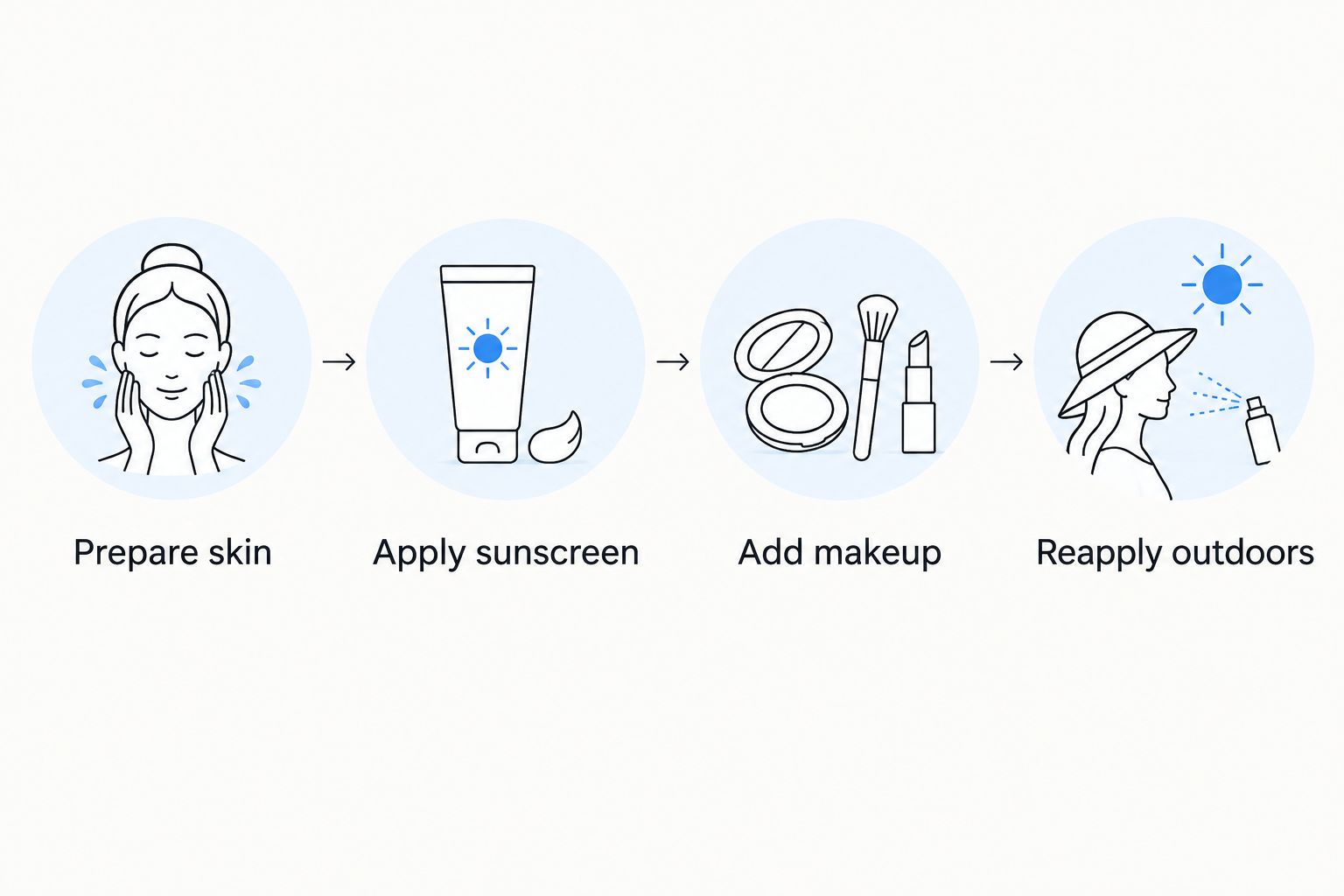
A higher SPF works best as part of a repeatable morning routine. Keep your layers simple enough that you can apply sunscreen evenly rather than rushing through it.
- Prepare skin. Cleanse as needed and apply your usual hydrating skincare. Let wet or slippery layers settle before sunscreen.
- Apply sunscreen. Follow the label's amount and application directions. Cover exposed skin evenly instead of concentrating the product on the center of your face.
- Add makeup. Apply makeup after sunscreen has settled. Do not mix foundation or serum directly into your sunscreen.
- Reapply outdoors. Reapply at least every 2 hours while outdoors, and after swimming or sweating according to the label. Follow towel-drying instructions too.
The American Academy of Dermatology advises applying sunscreen 15 minutes before going outdoors. Read your product's instructions as well, particularly for water resistance and reapplication after activity.
Avoid turning the test amount into a universal drop count. Drops, pump sizes, and the area you cover differ, so a fixed number of drops is not a reliable instruction for every sunscreen.
Choosing a hydrating facial sunscreen
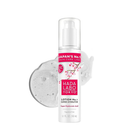
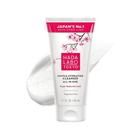
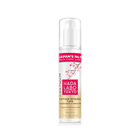
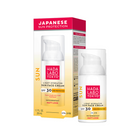
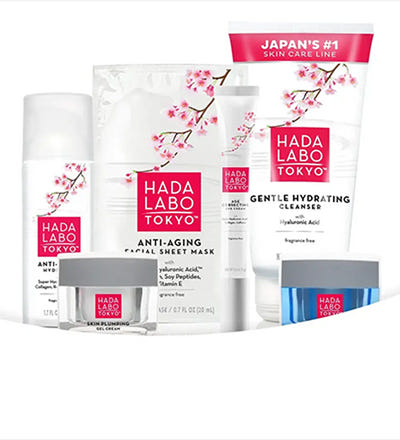
Hada Labo Tokyo sunscreen is best for shoppers seeking Hyaluronic Acid hydration alongside facial sun protection. Choose between the following formulas by SPF level and stated texture, then check the packaging for UVA coverage and use directions.
| Formula | Best for | Supported benefit | Limitation to consider |
|---|---|---|---|
| Hada Labo Tokyo Face Sun Cream SPF 50 50ml | Hydration-focused shoppers choosing the higher SPF | Combines Super Hyaluronic Acid hydration with SPF 50 protection | The SPF rating does not establish your personal finish or eye comfort |
| Hada Labo Tokyo Face Sun Cream SPF 30 50ml | Hydration-focused shoppers seeking a lightweight formula at the daily minimum | Described as lightweight and fast-absorbing, with Super Hyaluronic Acid | Offers lower UVB protection than SPF 50 under equal test conditions |
Choose the SPF 50 option when higher UVB protection is your priority. Choose the SPF 30 option when its formula suits your routine better, without treating a lightweight feel as permission to apply sparingly.


Does SPF 50 last longer than SPF 30?
SPF 50 does not give you a longer recommended reapplication interval than SPF 30. Both need reapplication at least every 2 hours outdoors and after swimming or sweating as directed.
Do not multiply a personal burn time by the SPF number to schedule your day. UV intensity changes, and sunscreen coverage changes as you touch your face, sweat, or dry your skin.
Is SPF 30 enough if you spend most of the day indoors?
SPF 30 with UVA protection is a suitable daily minimum, including for a routine with limited outdoor exposure. Assess the actual day: a walk to work and lunch outside are still outdoor exposure, while ordinary window glass does not block all UVA.
You do not need to treat a day away from windows like a day at the beach. Plan around daylight exposure rather than assuming that the word indoors settles the question.
Should you choose SPF 50 for dark spots or easily burned skin?
SPF 50 is the more protective UVB choice when you burn easily or want the higher rating while managing dark spots. UVA protection still matters, and sunscreen does not erase existing pigmentation.
Some pigmentation concerns also require attention to visible light, which the SPF number does not measure. If you have melasma, a history of skin cancer, or a medication that increases sun sensitivity, ask your dermatologist for a tailored protection plan.
FAQ
What's better for everyday wear, SPF 50 or SPF 30?
SPF 50 is better for UVB protection when both formulas are equally comfortable and provide UVA coverage. SPF 30 remains a suitable daily minimum when applied correctly.
Does SPF 50 block all UV rays?
SPF 50 does not block all UV rays. It filters approximately 98% of UVB under standardized testing conditions, and the SPF number alone does not describe full UVA protection.
Do I need to reapply SPF 50 every 2 hours?
Reapply SPF 50 at least every 2 hours while outdoors, and after swimming or sweating according to the label. A higher SPF does not extend the recommended outdoor reapplication interval.
Is SPF 50 too heavy for oily skin?
SPF 50 is not automatically too heavy for oily skin because SPF is a protection rating, not a texture rating. Choose a formula whose finish and skin tolerance suit you.
Can I mix sunscreen with my moisturizer?
Do not mix sunscreen with moisturizer before applying it. Apply sunscreen as a separate layer so you do not dilute it or interfere with an even film.
Does SPF 30 makeup replace sunscreen?
SPF 30 makeup should not automatically replace a separate sunscreen because protection depends on applying the tested amount evenly. Use a dedicated sunscreen layer and treat makeup protection as additional rather than additive.
Does SPF 30 plus SPF 20 equal SPF 50?
SPF 30 plus SPF 20 does not equal SPF 50. Layered SPF ratings are not additive, so choose your main sunscreen for the protection you need.
Can I still get sun damage without getting sunburned?
Sun damage can occur without visible sunburn. Choose UVA and UVB protection, and use clothing and shade instead of relying on redness as your warning signal.
One last thing
SPF 50 is not nearly twice the protection of SPF 30, but the difference is not meaningless. The rounded test figures—approximately 3.3% UVB transmitted versus 2%—show why comparing only the percentages filtered makes the extra protection look smaller than it is.
Make this your 2026 buying rule: choose a comfortable sunscreen with UVA protection, prefer SPF 50 when the options are otherwise equal, and protect the application you actually put on your skin. The number matters; an even layer and sensible outdoor habits make it useful.


