
Best overall for oily skin that feels tight: Hada Labo Tokyo Moisturising Facial Sheet Mask. Best for surface shine: a clay mask. Best for blackheads: a salicylic acid mask. This 2026 guide helps you choose by skin concern, rather than treating every shiny face as a problem that needs drying out.
- The best face mask for oily skin depends on whether you need hydration, surface oil absorption, or help with clogged pores.
- Hada Labo Tokyo Moisturising Facial Sheet Mask is the hydration-first pick for oily skin that feels tight.
- Clay masks absorb surface oil; salicylic acid masks target clogged pores. Neither replaces moisturizer.
- Choose Premium Facial Sheet Mask when hydration and dull-looking skin are your priorities, rather than shine control.
Why this matters
Oily skin produces excess sebum, but that does not tell you how well hydrated its outer layer is. You can have a shiny forehead and cheeks that feel uncomfortable after cleansing. Those concerns need different responses.
Choose a mask for the problem you feel, not just the shine you see. A drying mask is a poor match for already-irritated skin, while a hydrating sheet mask is not a blackhead treatment. This distinction matters more than whether a packet says purifying, premium, or glow.
A face mask is an optional addition to your routine. Gentle cleansing, a suitable moisturizer, and daytime sunscreen remain the foundation; a mask should fit around them, not replace them.
What makes the best face mask for oily skin?
Use these criteria to assess your shortlist before choosing a format:
- Concern match: Separate dehydration, surface shine, blackheads, and dullness. One mask does not need to address everything.
- Relevant ingredients: Hyaluronic acid supports hydration, clay absorbs surface oil, and salicylic acid helps exfoliate within pores.
- Skin tolerance: Check the full formula, including fragrance and exfoliating ingredients, against your known sensitivities.
- Comfortable finish: Choose a finish you can tolerate without repeatedly washing your face afterward.
- Routine compatibility: Consider your existing acne treatments and exfoliants before adding another active product.
- Clear instructions: Follow the product's application, removal, and frequency directions rather than using a generic mask timetable.
An ingredient name alone cannot establish whether the complete formula will suit you. A hydrating ingredient does not make every mask non-comedogenic, and a clay base does not make every formula gentle.
Best face masks for oily skin: 2026 at a glance
The order below starts with hydration for tight-feeling oily skin, then separates the other options by their main purpose. It is a concern-based buying guide, not a claim that these formulas have been tested head-to-head.
| Mask or format | Best for | Standout feature | Key limitation |
|---|---|---|---|
| Moisturising Facial Sheet Mask | Oily skin that feels tight or dehydrated | Super Hyaluronic Acid hydration | Not a targeted oil-absorbing or blackhead treatment |
| Clay mask | Temporary reduction of surface shine | Absorbs oil from the skin surface | Excessive use can leave skin dry or irritated |
| Salicylic acid mask | Blackheads and clogged pores | Pore-focused exfoliation | Adds irritation risk alongside other exfoliating treatments |
| Premium Facial Sheet Mask | Oily skin with dull-looking tone | Super Hyaluronic Acid hydration with a brightening focus | Not a substitute for treatment of persistent pigmentation |
1. Moisturising Facial Sheet Mask: best for tight-feeling oily skin
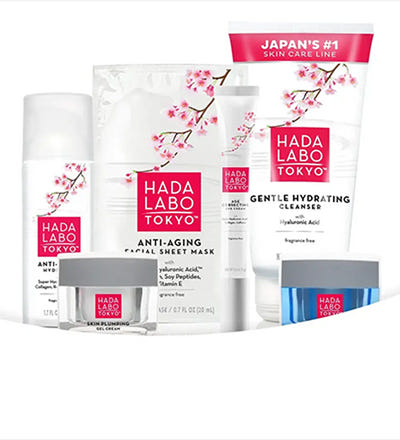
Hada Labo Tokyo Moisturising Facial Sheet Mask is a hydration-focused sheet mask featuring Super Hyaluronic Acid. Choose this direction when your face looks oily but feels tight, especially after cleansing. The goal is comfortable hydration, not a completely matte finish.
Hyaluronic acid is a humectant: it helps attract and retain water. It does not exfoliate pores or function as a clay-based oil absorber, so keep those expectations separate.
Moisturising Facial Sheet Mask pros:
- Targets hydration rather than adding another exfoliating step.
- Offers a sheet format for an occasional skincare ritual.
- Provides a clear alternative to drying masks when tightness is your main concern.
Moisturising Facial Sheet Mask cons:
- Does not provide targeted blackhead treatment.
- Does not replace your regular moisturizer.
- Suitability for sensitive or breakout-prone skin still depends on the complete formula and your response.
Best for: Oily or combination skin that feels dehydrated, without a need for another exfoliant.
Verdict: Buy for hydration; skip it as your main solution for clogged pores.
2. Clay mask: best for temporary surface-shine control
A clay mask uses absorbent ingredients, such as kaolin or bentonite, to take up surface oil. This format makes sense when your main complaint is a greasy-looking forehead or nose rather than tightness or stinging.
Apply it only where it is needed if the product instructions permit targeted use. Combination skin does not require the same treatment across oily and dry areas.
Clay mask pros:
- Directly addresses excess oil sitting on the skin surface.
- Suits targeted application to an oily T-zone.
- Offers a rinse-off option if you dislike leaving sheet-mask essence on your face.
Clay mask cons:
- Oil absorption is temporary; it does not permanently change your skin type.
- Overuse can cause dryness and irritation.
- Fragrance, acids, or other added ingredients can change how well a particular formula suits you.
Do not use cracking, extreme tightness, or discomfort as evidence that a clay mask is working better. Follow the removal instructions rather than waiting for your skin to feel stripped.
Best for: Comfortable, non-irritated skin with noticeable surface shine.
Verdict: Buy for targeted shine control; skip while your skin feels raw or unusually dry.
3. Salicylic acid mask: best for blackheads and clogged pores
Salicylic acid is a beta hydroxy acid used in acne skincare to help clear clogged pores. A mask containing this ingredient belongs on your shortlist when blackheads and congestion matter more than a temporary matte finish.
The whole formula still matters. A product combining salicylic acid with several other exfoliants needs different consideration from a simple hydrating mask, especially if you already use acne medication.
Salicylic acid mask pros:
- Addresses clogged pores rather than just absorbing surface shine.
- Gives blackhead-prone skin a more relevant ingredient focus than hydration alone.
- Offers a rinse-off format for people who prefer that application method.
Salicylic acid mask cons:
- Can cause dryness, stinging, or peeling.
- Can duplicate the role of an existing salicylic acid treatment.
- Does not replace medical care for painful, persistent, or scarring acne.
For your 2026 routine, avoid buying an exfoliating mask simply because you already own several exfoliating products. Check whether it fills a genuine gap. More active steps do not automatically produce clearer skin.
Best for: Blackhead-prone oily skin that tolerates exfoliating products.
Verdict: Buy only if it fits your existing routine; hold if your skin is irritated.
4. Premium Facial Sheet Mask: best for hydration with a dullness concern
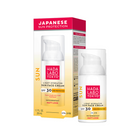
Hada Labo Tokyo Premium Facial Sheet Mask combines Super Hyaluronic Acid hydration with a focus on brightening dull-looking skin and evening the appearance of tone. It is the more relevant sheet-mask option here when dullness accompanies oily skin.
This is still a hydration-led choice. Do not select it instead of a pore-focused product if blackheads are your main concern, or expect a sheet mask to resolve persistent dark patches.
Premium Facial Sheet Mask pros:
- Addresses hydration and dull-looking skin in the same product.
- Provides an alternative to an oil-absorbing mask when your skin needs moisture.
- Fits an occasional sheet-mask ritual without adding a separate exfoliating-mask category.
Premium Facial Sheet Mask cons:
- Is not a targeted surface-oil absorber.
- Is not a replacement for assessment of persistent pigmentation.
- Requires the same full-formula and tolerance checks as other sheet masks.
Best for: Oily skin with dullness as a secondary concern, where hydration remains the priority.
Verdict: Buy for hydration plus dull-looking tone; skip if you only want a matte finish.
Compare the hydration-focused options
Choose Moisturising Facial Sheet Mask when hydration is the brief. Choose Premium Facial Sheet Mask when you also want a product positioned for dull-looking tone. Neither needs to compete with clay or salicylic acid on a job it was not selected to do.


How to use a face mask without overdoing your routine
A useful masking routine is simple enough that you can tell what your skin tolerates. Introduce one new product at a time instead of changing your cleanser, mask, and moisturizer together.
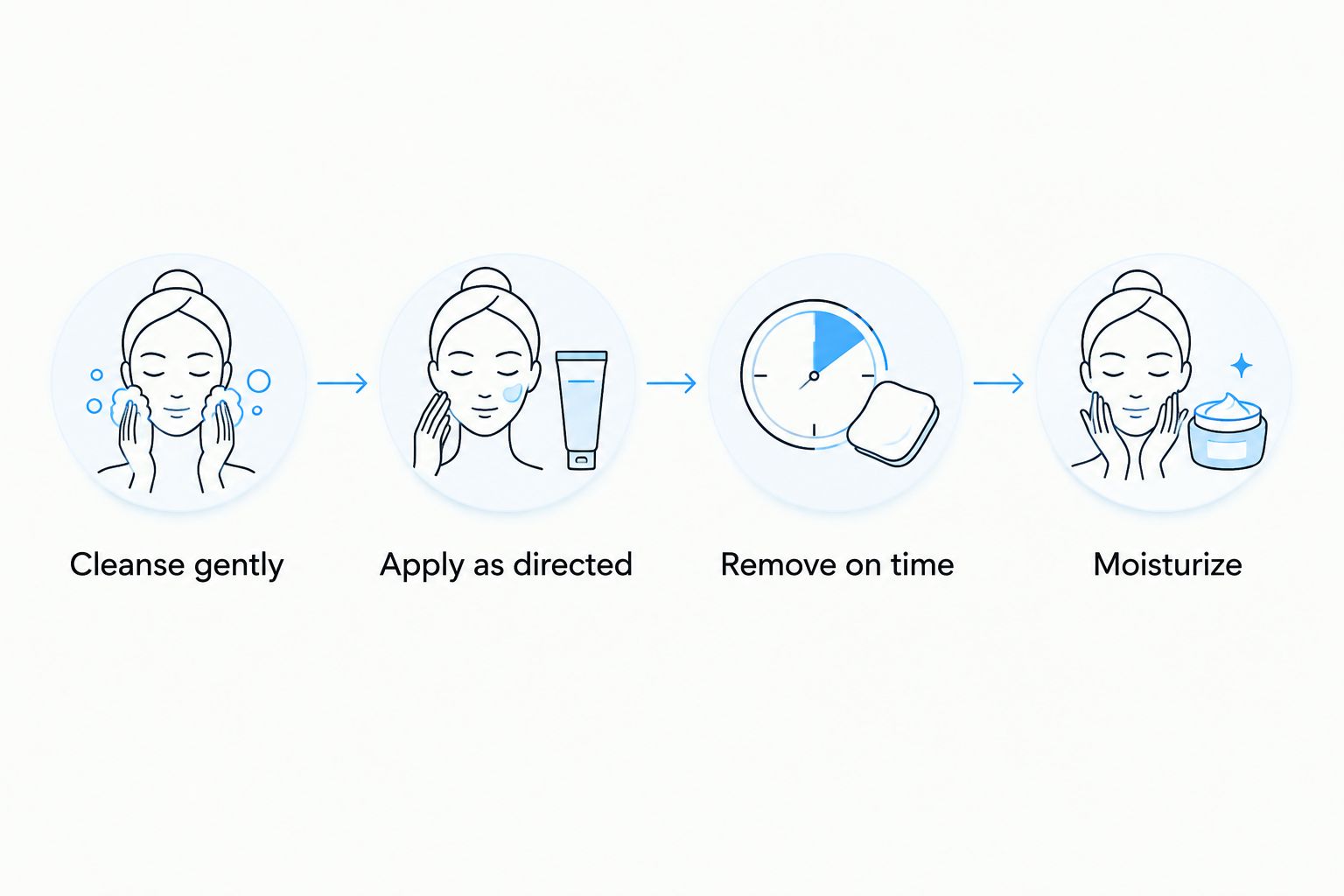
Cleanse gently
Remove makeup, sunscreen, and surface dirt with your usual cleanser. Avoid adding a scrub before masking, particularly when the mask already contains exfoliating ingredients.
Apply as directed
Use the placement and amount specified on the label. Keep the product away from areas the instructions exclude, including the eyes or lips where applicable.
Remove on time
Follow the product's stated contact time rather than borrowing instructions from another mask. A sheet mask, clay mask, and acid mask do not share a universal application schedule.
Moisturize
After removal, follow the label's instructions about rinsing or leaving remaining essence on your skin, then continue with a suitable moisturizer. In the daytime, finish your routine with sunscreen.
Watch your skin afterward. Persistent burning, swelling, or an itchy rash is a reason to stop using the product, not to extend the contact time or repeat it more often.
Keep sun protection separate from masking
A face mask is not sunscreen. American Academy of Dermatology guidance for general sun protection recommends broad-spectrum, water-resistant sunscreen with SPF 30 or higher, applied 15 minutes before going outdoors and reapplied every 2 hours outdoors, as well as after swimming or sweating. Keep that distinction clear in your 2026 skincare routine.
How the 2026 shortlist is ranked
This ranking prioritizes concern match, ingredient purpose, tolerance, and routine compatibility. Product-specific descriptions establish the two sheet masks' hydration and dullness focus; the clay and salicylic acid entries describe ingredient categories, not tested individual formulas.
The hydration-first option leads because this guide specifically separates oily-but-tight skin from oily-and-congested skin. There is no claim that a sheet mask absorbs more oil than clay or treats blackheads better than salicylic acid.
The best choice is the one that addresses your concern without making the rest of your routine harder to tolerate.
Which face mask should you choose?
For an undecided reader with oily skin that also feels tight, start with the hydration-first option rather than adding another drying treatment. Hada Labo Tokyo face masks are the hydration-focused choices in this guide, not substitutes for acne treatment.
If your skin feels comfortable but looks greasy, choose clay for targeted surface-oil absorption. If blackheads dominate, assess a salicylic acid formula against the treatments you already use. If your skin is sore, peeling, or persistently inflamed, pause optional masking and seek professional advice.
FAQ
What's the best face mask for oily skin in 2026?
The best face mask for oily skin depends on your main concern: hydration for tightness, clay for surface shine, or salicylic acid for clogged pores. Choose the format that addresses that concern without duplicating irritating steps in your routine.
Is a sheet mask or clay mask better for oily skin?
A sheet mask is the more relevant choice for hydration, while a clay mask is more relevant for absorbing surface oil. Oily skin that feels tight does not automatically need a drying mask.
Can I use a hyaluronic acid mask if my face is oily?
Yes, oily skin can use a hyaluronic acid mask for hydration. Hyaluronic acid is a humectant, but the complete formula and your individual tolerance determine whether a particular mask suits you.
Will a face mask permanently shrink my pores?
No, a face mask does not permanently shrink pores. Oil absorption or treatment of congestion can change their appearance, but that is not the same as permanently changing pore size.
How often should I use a face mask on oily skin?
Follow the specific mask's directions and adjust to your skin's tolerance. Hydrating, clay, and exfoliating masks do not share one universal frequency, especially when you already use acne treatments.
Can I use a salicylic acid mask on the same evening as retinol?
Do not make a salicylic acid mask and retinol your default same-evening combination. Both can irritate skin; follow your product directions and ask your dermatologist how to fit them around prescribed treatments.
Should I skip moisturizer after a face mask?
No, a face mask is not a replacement for your regular moisturizer. Follow the mask's removal instructions, then continue with a moisturizer that suits your skin.
One last thing
A squeaky-clean feeling is not the goal. For your next mask purchase in 2026, decide whether you are treating shine, tightness, blackheads, or dullness before reading the product name. That single decision helps prevent buying an oil-absorbing mask when your skin is asking for hydration.


