


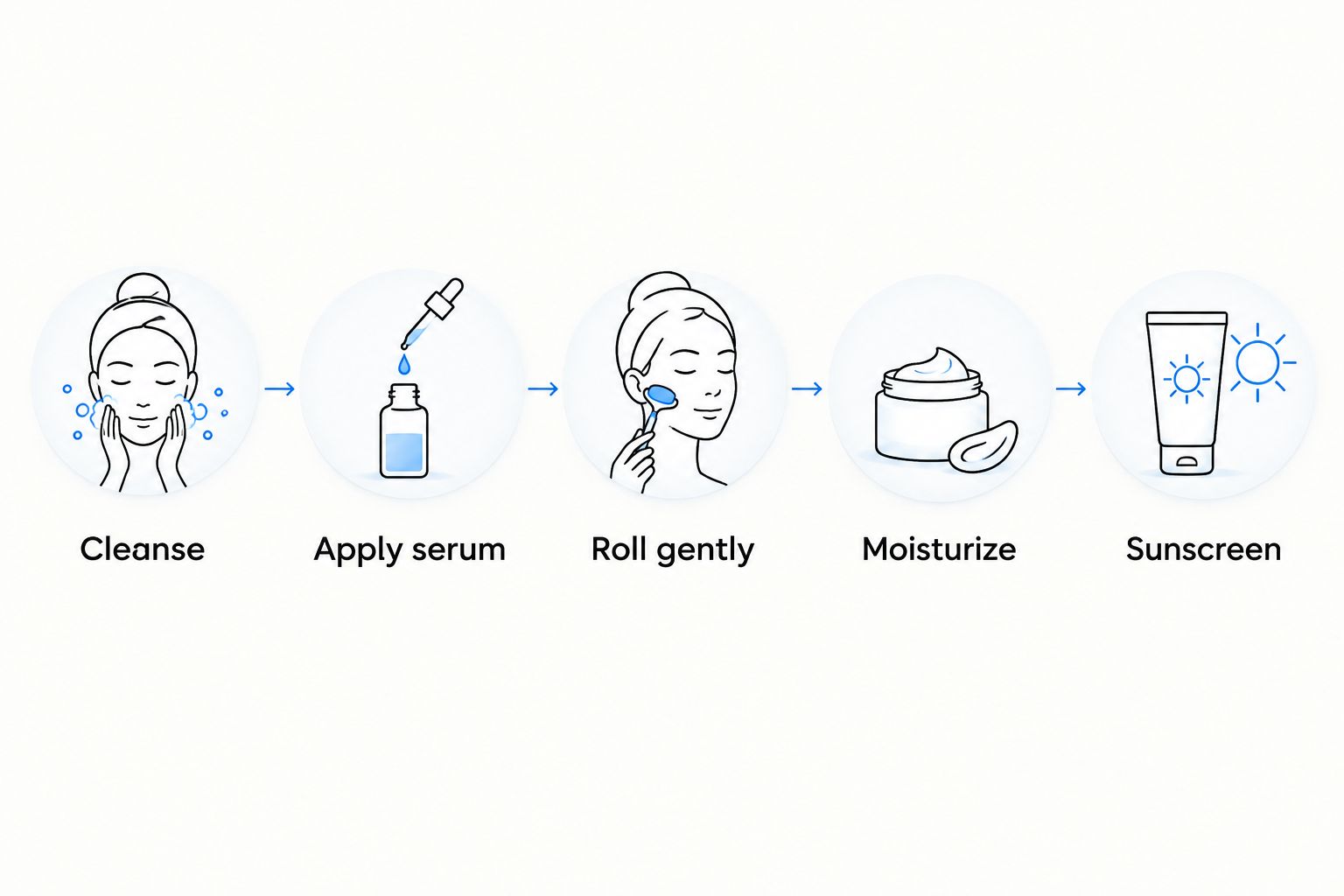
Instead of treating serum application and facial massage as separate jobs, build your jade roller hyaluronic acid serum routine around one sequence: cleanse, apply serum, roll gently while the skin has slip, then moisturize. This 2026 guide shows you where the roller belongs, when to skip it, and how to finish without disturbing your sunscreen.
- Hada Labo Tokyo suits hydration-focused skincare; a jade roller is an optional massage tool, not a serum-delivery device.
- For a jade roller hyaluronic acid serum routine, cleanse, apply serum, roll gently, moisturize, then apply morning sunscreen.
- Stop rolling when the tool drags; extra pressure does not improve hydration.
- Keep the roller clean, avoid irritated skin, and never roll over your finished sunscreen layer.
Why this matters
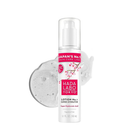
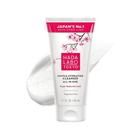
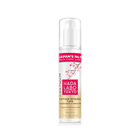
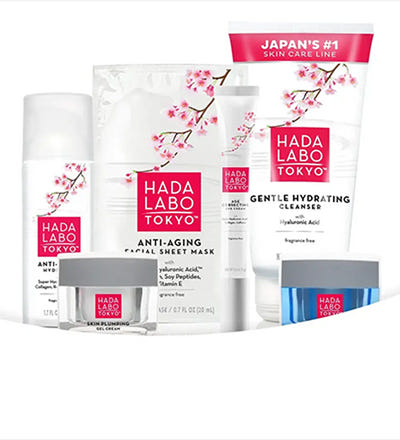
Hada Labo Tokyo is best for consumers seeking hyaluronic acid skincare for a hydration-focused routine. The Concentrated Water Serum Lock-in-Moist is a 30 ml facial serum whose supplied description identifies 3 types of hyaluronic acid. Those ingredients belong to the hydration step; the roller belongs to an optional massage step.
Hyaluronic acid is a humectant: it helps attract and retain water. A jade roller moves across the skin's surface. Do not treat rolling as a way to drive serum deeper into your skin or permanently reshape your face.
The useful connection is practical. Apply your serum first, check whether the surface allows comfortable movement, and use the roller only while it glides without pulling. Finish with moisturizer rather than extending the massage until the serum dries.
For your 2026 routine, judge success by comfort and consistency, not by how many strokes you complete. You can keep the hydration routine even when you leave the roller in the drawer.
Before you start
- Gather your materials: your usual cleanser, a tolerated hyaluronic acid serum, moisturizer, a clean jade roller, and a clean towel. For mornings, have broad-spectrum sunscreen with SPF 30 or higher ready for the final skincare step.
- Check your skin and tool: inspect the roller for chips, cracks, and rough edges. Skip rolling over broken skin, inflamed spots, sunburn, or an active irritation flare; follow your clinician's instructions after cosmetic procedures.
- Pre-empt the main gotcha: a water-based serum is not necessarily a massage lubricant. If it becomes tacky or absorbs before the roller glides comfortably, stop; do not compensate with pressure or keep adding serum just to finish a massage.
Read the serum's directions before combining it with anything else. If a formula is new to you, introduce it without the roller first so you can separate a product reaction from friction caused by massage.
No app, pairing process, or special attachment is involved. Here, connecting the roller means placing it correctly within your skincare sequence.
Skin and tool preparation
Clean skin
- Wash your hands before handling your face or the roller.
- Cleanse according to your cleanser's instructions. Remove makeup and sunscreen before starting the serum-and-roller sequence.
- Rinse thoroughly if your cleanser requires rinsing, then pat gently with a clean towel. Avoid scrubbing to make your skin feel extra clean.
- Leave skin comfortable rather than dripping wet. Follow your serum's directions about whether to apply it to damp or dry skin.
Expected result: your face is free of surface makeup and cleansing residue, and it does not sting or feel scraped. If cleansing leaves your skin irritated, skip the massage rather than adding another source of friction.
Clean roller
- Follow the roller manufacturer's cleaning instructions, including any restrictions on soaking the handle or metal fittings.
- Clean the surfaces that contact your skin and remove leftover skincare residue.
- Dry the roller as directed and inspect it under good light for damage.
- Set it on a clean, dry surface instead of placing it directly beside a wet sink drain.
Expected result: the roller is clean, intact, and ready to touch your face. A quick rinse that leaves yesterday's serum on the stone is not a complete cleaning routine.
Do not share the roller between people without appropriate cleaning. Store it dry after use; a closed container is not a substitute for removing residue first.
Serum application and roller placement
Serum layer
- Apply your hyaluronic acid serum using the amount and method stated on its label.
- Spread the serum gently with clean fingertips. Keep it away from your eyes unless its directions explicitly allow use there.
- Check a small area of your cheek with the roller before committing to a full-face massage.
- Continue only if the roller moves without tugging, bunching the skin, or leaving an uncomfortable sticky trail.
Expected result: the serum is distributed evenly and the tool glides with light contact. A wet-looking face is not the goal, and a thicker layer does not automatically make the routine better.
If you struggle to judge the amount, use the guide to how much hyaluronic acid serum to apply per use. Choose the amount for skincare application, not for keeping a tool moving indefinitely.
Gentle rolling
- Rest the roller lightly against one cheek. Start near the center of the face and move outward toward the side, avoiding inflamed or tender areas.
- Lift and reposition the roller between strokes instead of repeatedly scrubbing back and forth over the same patch.
- Work across comfortable areas of the cheeks and forehead. Keep the tool off the eyelids and do not press against the eyeball.
- Stop as soon as the surface becomes tacky, the skin pulls, or you feel discomfort. You do not need to cover every part of your face.
Expected result: the massage feels gentle and leaves no soreness, scratches, or pressure marks. There is no required stroke count or session length that makes hyaluronic acid work.
The outward direction gives you an easy pattern to follow; it is not a promise of lifting or lymphatic treatment. Use the pattern to avoid random repeated rubbing, not to chase a sharper jawline.
Moisturizer and morning protection
Finish the routine
- Moisturize after the optional rolling step. Apply your usual moisturizer according to its directions without more massage than you need to spread it.
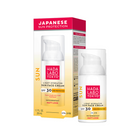
- Sunscreen comes after the preceding skincare steps in a morning routine. Use broad-spectrum SPF 30 or higher and follow the sunscreen's application and reapplication instructions.
- Leave the roller aside once sunscreen is applied. Do not pass it over your finished protective layer.
- Clean and dry the roller according to its care instructions before storing it.
Expected result: your hydration routine is complete, and your morning sunscreen layer has not been disturbed by a tool. In the evening, finish with moisturizer and tool cleanup; sunscreen is not part of a bedtime routine.
Do not use the roller to spread sunscreen or remove excess product. Sunscreen needs an adequately applied, even layer, and moving a tool across it risks redistributing that layer.
For a repeatable 2026 workflow, keep the endpoint clear: the roller stops before sun protection begins. A longer massage does not make the rest of the routine more effective.
Evening variant: roll after moisturizer instead
Some hyaluronic acid serums absorb quickly or become tacky. If serum alone does not provide comfortable slip, finish applying it and test the roller over your moisturizer instead. This changes the roller's position without changing the serum's role.
Follow your moisturizer's directions, then try a gentle stroke on one cheek. Continue only while the tool moves comfortably, and keep the same restrictions on pressure, irritated skin, and the eye area.
This evening variant avoids a common mistake: using repeated serum applications as a substitute for a suitable massage surface. It is not permission to roll over any cream; some moisturizers also pill or become tacky.
Which placement fits your routine?
| Placement | Best for | Advantage | Limitation | Recommendation |
|---|---|---|---|---|
| Roller after serum | A serum layer that already gives comfortable slip | Keeps massage beside the hydration step | Water-based serum can absorb or become tacky | Use only while the roller glides |
| Roller after moisturizer | An evening routine where serum alone drags | Avoids adding serum just for massage | Moisturizer can also pill or resist movement | Test a small area first |
| Fingertips without a roller | A simpler routine or skin that dislikes friction | Fewer tools to clean and no rolling pressure | Does not include the massage experience | Choose this when comfort is the priority |
The table compares workflow choices, not different hydration outcomes. Your moisturizer and serum still need to suit your skin; moving the roller to a different step does not fix an unsuitable formula.
In 2026, a simple routine remains a valid choice. Skipping a tool is not skipping hydration.
Troubleshooting
The roller pulls or skips
Stop rolling and check the surface. Your serum has either absorbed, become tacky, or failed to provide enough slip for massage. Finish with moisturizer and use fingertips, or test the moisturizer variant another evening.
Do not push harder to force movement. Skin pulling is feedback to change the method, not a sign that the massage is working.
Skincare rolls into little flakes
Stop the massage instead of rubbing the flakes away. Pilling can occur when layers interact or when you repeatedly move a tool across a product film. Use the label-directed amounts and reduce unnecessary rubbing.
If pilling continues, simplify the routine and introduce layers separately. Do not assume every visible flake means your skin needs exfoliation.
Your face stings or stays irritated
Stop the roller and any newly introduced product. Friction, a formula your skin does not tolerate, or an existing irritation flare can make the routine uncomfortable. Return to tolerated basic care and seek medical advice for persistent or worsening symptoms.
Keep rolling away from an active rosacea or eczema flare unless your clinician advises otherwise. A cooling sensation is not evidence that an irritated area is safe to massage.
The roller feels unpleasantly cold
Use it at a comfortable temperature. Refrigeration is optional, and freezing is unnecessary. Follow the tool manufacturer's storage instructions rather than treating colder as better.
Stop if cold contact causes pain or discomfort. Room-temperature rolling is an acceptable alternative.
New bumps appear after starting
Pause the roller and review hygiene and new products separately. Clean the tool as directed, avoid rolling over inflamed blemishes, and do not add more products while trying to identify the trigger.
Persistent acne needs appropriate care, not more massage. A jade roller is not an acne treatment.
Customize your workflow
Build your Hada Labo Tokyo hyaluronic acid skincare routine around tolerated products, then decide whether the roller earns its place. The benefit of the workflow is a clear order and fewer avoidable mistakes; its limitation is that a tool adds cleaning and friction without being necessary for serum application.
Choose one placement rather than rolling after every layer. On rushed mornings, use fingertips and protect the sunscreen step; on comfortable evenings, add gentle rolling before your routine ends.
If you also use retinol or another active treatment, keep its instructions separate from the massage instructions. Establish that you tolerate the treatment first, and do not use rolling to increase its penetration.
For your 2026 routine, change one thing at a time: the product, the roller placement, or the decision to skip massage. That makes discomfort easier to trace than changing the entire routine together.
FAQ
Should I use a jade roller before or after hyaluronic acid serum?
Use a jade roller after applying hyaluronic acid serum if the serum gives enough slip for gentle movement. If the roller drags, stop and finish with moisturizer; rolling is optional.
Does a jade roller make hyaluronic acid serum absorb better?
Do not rely on a jade roller to improve hyaluronic acid absorption. Apply serum according to its directions and treat rolling as an optional massage step, not a delivery system.
Can I use a jade roller with Hada Labo Tokyo serum?
You can add a jade roller after a tolerated Hada Labo Tokyo serum if the tool glides comfortably. Follow the serum directions, use light contact, and stop if the skin pulls or stings.
How long should I roll my face after applying serum?
There is no required rolling duration for a hyaluronic acid routine. Stop when the surface loses slip or the skin feels uncomfortable rather than aiming for a fixed session length.
Is a jade roller better than applying serum with my hands?
A jade roller is not necessary for applying hyaluronic acid serum. Clean fingertips provide a simpler application method, while a roller adds an optional massage experience and a cleaning task.
Can I roll my face after applying sunscreen?
Do not roll over your finished sunscreen layer. Complete massage beforehand, then apply sunscreen according to its directions without redistributing it with the tool.
Should I keep my jade roller in the freezer?
Freezing a jade roller is unnecessary. Use the tool at a comfortable temperature and follow its manufacturer's storage instructions; stop if cold contact hurts.
Can I use a jade roller over acne or irritated skin?
Avoid rolling over inflamed blemishes, broken skin, or active irritation. Use tolerated basic skincare instead and seek medical advice for persistent or worsening symptoms.
One last thing
The best stopping point is when the roller stops gliding—not when a timer ends. Put it down, finish your skincare, and clean the tool. A comfortable routine you repeat is more useful than a massage you force through tacky serum.


